Featured Telecom Shelters & Modular Enclosures
Explore our heavy-duty, thermally insulated, and anti-corrosive prefabricated shelters customized for telecom operators, mining infrastructure, high-altitude repeaters, and localized data centers across Chile.
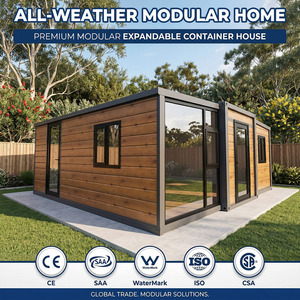
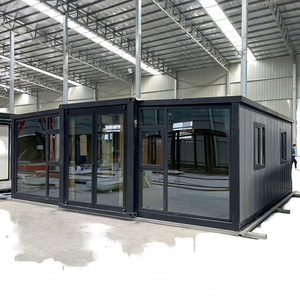
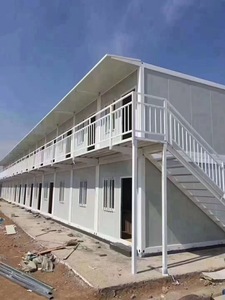
Industry Whitepaper: Prefabricated Telecom Infrastructure in Chile
Chile represents one of South America's most dynamic, demanding, and geographically diverse telecommunications markets. Stretching over 4,300 kilometers along the South American Pacific coast, Chile presents extreme environmental gradients—ranging from the hyper-arid Atacama Desert in the north to the freezing, high-altitude Andean mountain passes and the moisture-laden, sub-Antarctic winds of Patagonia. Furthermore, as Chile expands its nationwide 5G coverage and high-speed fiber-optic backhauls (Fibra Óptica Nacional - FON), network operators, tower companies (TowerCos), and industrial mining conglomerates face critical physical infrastructure challenges.
Deploying sensitive electronic equipment, rectifier racks, lithium-ion battery banks, transmission gear, and edge processing units in these unstaffed remote locations mandates rugged, hermetically sealed, and thermally stable enclosures. Prefabricated Telecom Shelters engineered by top-tier global manufacturers offer the definitive technical solution. These factory-built, pre-integrated modular shelters deliver unmatched protection against seismic acceleration, intense ultraviolet radiation, extreme thermal swings, salt spray corrosion, and severe wind forces.
Strategic Advantage for Chilean Operations: Prefabricated modular equipment shelters reduce civil construction timelines in remote Chilean locations by up to 70%, bypassing local labor shortages in high-altitude mining sites and ensuring strict compliance with SUBTEL (Subsecretaría de Telecomunicaciones) network reliability metrics.
1. The Chilean Geographical & Environmental Challenge Spectrum
Standard commercial enclosures or on-site masonry construction consistently fail to meet the operational longevity demands imposed by Chile's unique microclimates. Engineering a resilient telecommunications node requires a deep understanding of four primary Chilean climate zones:
Atacama Desert Rigor
Extreme solar irradiance (UV index 12+), daily thermal fluctuations exceeding 30°C (from sub-zero night temperatures to daytime surface temperatures over 50°C), and ultra-fine dust (camanchaca fog particulate) require IP66 dust-tight sealing and polyisocyanurate (PIR) core insulation.
High Andes High-Altitude
Locations above 3,500 meters altitude suffer from thin atmospheric pressure, heavy snow loads (up to 350 kg/m²), freezing temperatures down to -30°C, and reduced air-cooling efficiency, requiring pressurized HVAC, reinforced roof trusses, and thermal barrier seals.
Pacific Coastal & Patagonian Wind
Coastal cities such as Valparaíso, Antofagasta, and Iquique expose shelters to intense marine salinity (C5-M atmospheric corrosive classification). Coastal Patagonia introduces relentless gale-force winds exceeding 160 km/h, requiring heavy gauge structural steel frames.
Engineering Specifications & Structural Architecture
To guarantee a 30+ year design life in harsh Chilean operational environments, structural engineering must integrate high-spec metallurgical treatment, high-density thermal insulation, structural rigidity against seismic shear, and advanced environmental control systems.
Seismic Design Compliance (NCh433 & ETG-A.0.20)
Chile is situated directly on the Pacific "Ring of Fire," subject to high-magnitude subduction earthquakes. Building infrastructure in Chile requires strict compliance with NCh433 (Diseño Sísmico de Edificios) and technical telecom standard ETG-A.0.20. Our prefabricated shelters feature welded cold-formed structural steel chassis with integrated diagonal bracing. Ground acceleration values up to 0.4g (Seismic Zone 3) are accommodated using flexible internal equipment rack mounts and anti-vibration spring isolators that safeguard delicate optical transmission units during seismic activity.
Thermal Envelope & HVAC Energy Efficiency
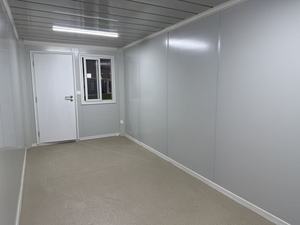
Energy management in unstaffed, off-grid telecom sites is critical. Our shelters employ continuous 80mm to 120mm thick Polyisocyanurate (PIR) or Polyurethane (PU) sandwich panels featuring zero-CFC blowing agents. Flame retardancy reaches B-s1, d0 classification under EN 13501-1 (equivalent to ASTM E84 Class A). This structural envelope yields an exceptionally low heat transfer coefficient (U-value as low as 0.18 W/m²K), preventing thermal bridging and drastically reducing HVAC power consumption.
| Engineering Metric | Standard Technical Specification | Chile Localized Customization |
|---|---|---|
| Seismic Resistance | Zone 4 / Peak Ground Acceleration 0.45g | NCh433 Of.96 Mod 2009 Seismic Zone 3 Certified |
| Corrosion Protection | Hot-Dip Galvanized Steel (Z275 / C4 Grade) | C5-M Marine Polyurethane Finish (250µm DFT) for Coast |
| Thermal Insulation | PIR Core Panels (80mm - 120mm thickness) | U-Value: 0.18 - 0.22 W/m²K (High Atacama Solar Protection) |
| Ingress Protection (IP) | IP65 Dust & Water Jet Resistant | IP66 Gasketed Double-Sealed Doors with Camanchaca Dust Filters |
| Wind Load Resistance | Up to 180 km/h (50 m/s) wind velocity | Reinforced Anchoring for Patagonian Wind Vectors (200 km/h) |
| Fire Rating | El 60 / EI 120 Insulation & Integrity | Automatic FM-200 / Novec 1230 Clean Agent Fire Suppression Integration |
Integrated Electrical & Power Systems
Each shelter manufactured for the Chilean market arrives fully pre-wired and tested prior to shipping. Internal power infrastructure includes:
- AC/DC Power Plants: Dual-redundant smart rectifiers with high-efficiency modules (96%+) converting 380V 3-phase grid power to -48V DC telecom load.
- Lithium Battery Integration: Secure, climate-regulated battery bays engineered for extended backup times, featuring active battery management systems (BMS).
- Surge Protection (SPD): Class I+II DIN-rail surge protectors shielding sensitive equipment against high atmospheric lightning discharges prevalent in high mountain peaks.
- Smart Environmental Monitoring Unit (EMU): Remote telemetry reading door contact sensors, internal ambient temperature, humidity, smoke alarms, water ingress, and AC/DC power status via SNMPv3 or Modbus TCP.
Localized Application Scenarios across Chile
Prefabex engineers modular shelters tailored to specific industrial and telecommunications deployments across the Chilean territory. Below are four key enterprise deployment scenarios:
1. Mining Telecommunications Hubs (Antofagasta, Calama, Copiapó)
Chile is the world's leading copper producer, with massive open-pit and underground mining operations located in the northern desert plateau. Industrial mining operations require private LTE/5G networks, autonomous haulage communications, and SCADA control nodes. Our heavy-duty prefabricated shelters serve as secure communication nodes situated directly adjacent to mining pits. They resist harsh ambient dust, blast vibrations, and chemical exposure while keeping mission-critical network cores operating 24/7/365.
2. High-Altitude Andes Microwave Repeater Sites
Connecting coastal cities with mountain communities and border infrastructure requires microwave transmission towers placed along Andean ridges at altitudes between 2,500m and 4,800m. Accessing these sites during winter months is nearly impossible. Our high-altitude shelters feature passive cooling technology, heavy insulation against arctic cold, self-contained hybrid solar/diesel generator auto-start power hubs, and heavy snow roof loading capabilities.
3. Urban 5G Edge Computing & Fiber Nodes (Santiago, Concepción, Valparaíso)
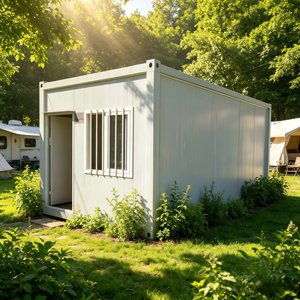
As Chilean mobile network operators expand ultra-low latency 5G infrastructure, urban real estate becomes highly constrained. Our compact, aesthetic flat-pack and monoblock micro-shelters provide turn-key edge data solutions. Placed on rooftops, electrical substations, or municipal rights-of-way, these shelters house optical line terminals (OLT), edge computing servers, and fiber patch bays with ultra-low noise HVAC systems compliant with urban sound ordinances.
4. Renewable Energy Park Communications (Solar & Wind Farms)
Chile's green energy transition in regions like Atacama (Solar PV) and Coquimbo/Patagonia (Wind Power) demands robust SCADA communication shelters. Our shelters house substation automation devices, fiber optic multiplexers, and security telemetry, connecting utility-scale clean energy farms to the Coordinador Eléctrico Nacional (CEN) grid.
Procurement Trends & Chilean Regulatory Compliance
International B2B buyers, EPC contractors, and telecom operators importing equipment shelters into Chile must navigate specific regulatory, electrical, and commercial frameworks. Sourcing from an ISO 9001, ISO 14001, and ISO 45001 certified global manufacturer ensures full compliance with local mandates:
1. SUBTEL (Subsecretaría de Telecomunicaciones) Standards
SUBTEL regulates network availability standards in Chile. Infrastructure design must incorporate redunant cooling (N+1 HVAC systems), automatic transfer switches (ATS) for auxiliary power generators, and minimum 4-hour to 8-hour battery autonomy ratios. Our shelters arrive pre-configured to meet or exceed SUBTEL operational continuity guidelines.
2. SEC Electrical Safety Certification (Superintendencia de Electricidad y Combustibles)
Electrical wiring, circuit breakers, switches, and distribution panels installed inside prefabricated shelters must comply with Chilean electrical code RIC (Reglamento de Instalaciones Eléctricas en Chile). Prefabex equips shelters with SEC-certified or UL/CE-marked electrical components, featuring standardized color coding (Phase 1-Blue, Phase 2-Black, Phase 3-Red, Neutral-White, Ground-Green) and certified fire-retardant wiring harnesses.
3. Customs Logistics & Transport Optimization for Chile Ports
Navigating maritime logistics to primary Chilean ports—such as San Antonio, Valparaíso, Antofagasta, and Iquique—requires optimized containerization. Prefabex provides two distinct delivery formats:
- Monoblock Fully Factory-Assembled Shelters: Shipped as standard 20ft or 40ft ISO High-Cube container dimensions. Arrive 100% plug-and-play with pre-installed wiring, HVAC, and power plants. Ready for immediate crane placement on site.
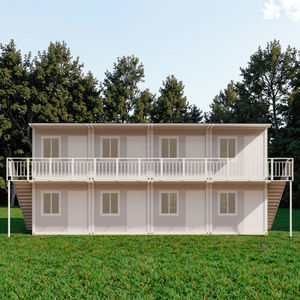
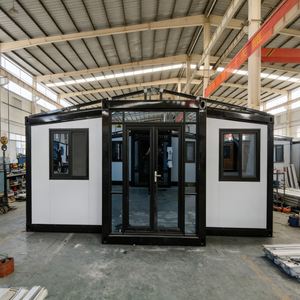
- Flat-Pack Demountable Shelters: Designed to optimize ocean freight volumes. Up to four demountable shelter units can be packed into a single 40ft HQ container, reducing freight costs by up to 60% for large-scale rural network rollouts.
Why Enterprise Clients Trust Our Prefabricated Telecom Solutions
As a leading international manufacturer of modular structures and prefabricated technical shelters, Prefabex combines structural engineering expertise with global manufacturing capabilities. Our competitive advantages include:
ISO-Certified Manufacturing
Every shelter undergoes strict factory quality control inspection testing (FAT), including rain spray testing, thermal imaging insulation verification, and load-bearing structural tests prior to dispatch.
Turnkey Engineering & Customization
We deliver end-to-end architectural, structural, and MEP engineering packages. From custom dimensions to specialized rack layouts, cable entry gland positioning, and generator integration, every unit is tailored.
Global Supply Chain Reach
Exporting to over 45 countries, we maintain dedicated logistics channels serving South America. Complete technical documentation, CAD assembly manuals, and foundation civil drawings are provided with every order.
Frequently Asked Questions (FAQ) - Sourcing Telecom Shelters for Chile
Ready to Secure Your Telecommunications Infrastructure in Chile?
Contact our senior modular shelter engineering team today for custom technical designs, seismic load calculations, and competitive factory-direct pricing for your Chilean deployment.