Engineered Modular Container Units
Explore our factory-direct modular container solutions, engineered for rapid site deployment, heavy-duty industrial hygiene, high-volume sanitization, and flexible structural expansion across Hamburg and the Port of Hamburg region.
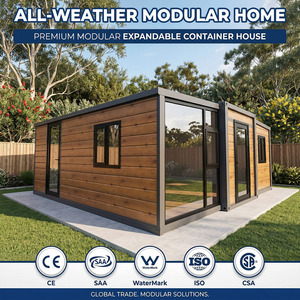
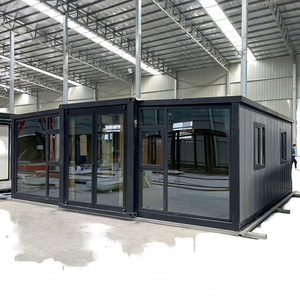
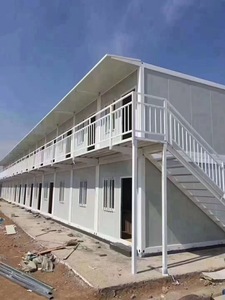
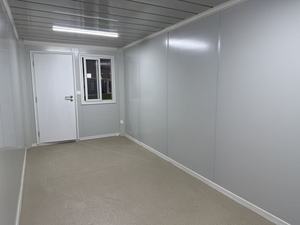
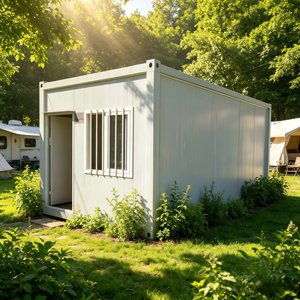
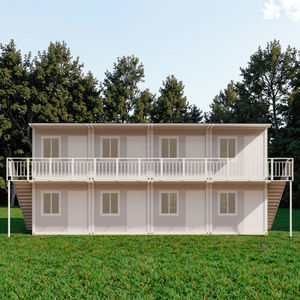
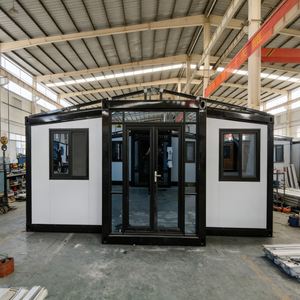
Engineering White Paper: Heavy-Duty Toilet & Shower Container Architecture for Hamburg
Procuring modular sanitary infrastructure for deployment in Hamburg requires strict compliance with German building physics standards, municipal wastewater management codes, and the harsh maritime atmospheric conditions prevalent across Northern Germany. As a premier global manufacturer of prefabricated modular buildings, Prefabex engineers toilet and shower container units specifically modified to resist high relative humidity, saltwater fog from the Elbe estuary, and rigorous operational loads on construction sites, port logistics hubs, and industrial compounds.
Standard off-the-shelf shipping container conversions frequently suffer from interstitial condensation, structural corrosion at ground contact points, and thermal bridging during Northern European winters. Prefabex addresses these failures at the factory level by utilizing specialized light gauge steel profiles, continuous mineral wool or rigid polyurethane (PUR/PIR) insulation cores, and factory-pretested plumbing loops built to DIN 1988 (Drinking Water Installations) and DIN EN 12056 (Gravity Drainage Systems inside Buildings) standards.
Technical Comparison: Standard Import Containers vs. Prefabex Maritime-Grade Sanitary Units
The matrix below highlights the engineering differentiators incorporated into Prefabex container units destined for Hamburg industrial buyers, project developers, and municipal contractors:
| Engineering Parameter | Standard Conversion Container | Prefabex Hamburg-Spec Sanitary Container | Regulatory / Local Standard |
|---|---|---|---|
| Structural Chassis | Cor-Ten Steel (Painted) | Galvanized Steel Frame + C4/C5-M Coating | DIN EN ISO 12944 Corrosion Protection |
| Thermal Insulation | 50mm EPS Panel (R-Value ~1.3) | 80mm–100mm PIR/PUR Core (R-Value 4.0+) | German GEG (Gebäudeenergiegesetz 2024) |
| Flooring System | Plywood + Standard PVC Cover | Seamless R11 Anti-Slip Vinyl / Stainless Pan | DIN 51130 Slip Resistance Standard |
| Internal Plumbing | Surface PVC Piping | Concealed PEX/Copper + Brass Manifolds | DIN 1988 & DVGW Hygiene Compliance |
| Wastewater Drainage | Single Floor Drain Outlet | Integrated Sloped Floor + Central Siphon trap | DIN EN 12056 Anti-Odor Drainage |
| Electrical Protection | IP44 Basic Wiring | IP65 Waterproof Seals + VDE Tested Panel | VDE 0100 Wet Room Regulations |
Structural Integrity & Corrosion Resistance in Coastal Microclimates
The Port of Hamburg and surrounding industrial zones (such as Wilhelmsburg, Harburg, and Altenwerder) expose physical assets to coastal atmospheric moisture, high wind loads, and industrial airborne particulate. Prefabex toilet and shower containers feature hot-dip galvanized cold-formed steel frames. All structural welds are treated with zinc-rich primers, followed by a multi-coat polyurethane finish rated to C5-M marine exposure conditions.
The exterior wall envelopes consist of high-density sandwich panels with factory-bonded galvanized steel skins. This construction completely eliminates cold bridging and structural sweat, preserving structural health over a 20+ year service life while reducing heating energy demands during winter operations.
Localized Application Scenarios in Hamburg
How our toilet and shower container units power major infrastructure, logistics, and municipal operations across the Free and Hanseatic City of Hamburg.
Port of Hamburg Logistics Hubs
Deployed at container terminals (CTA Altenwerder, Waltershof) to provide 24/7 heavy-duty ablution blocks, shower facilities, and changing rooms for dock workers, freight truckers, and crane operators under intense shift schedules.
Infrastructure & Subway Construction Camps
Serving multi-year megaprojects like the U5 subway expansion, Köhlbrand bridge maintenance, and HafenCity quarters development. Easy to stack or relocate as civil engineering project boundaries shift.
Industrial Chemical Parks (Harburg & Wilhelmsburg)
Custom sanitary container units featuring emergency decontamination showers, eyewash stations, and explosion-proof (ATEX-rated zone) electrical fittings tailored for chemical storage and refining facilities.
Public Events & Maritime Festivals
Rapid-deploy luxury sanitary blocks utilized during major Hamburg cultural gatherings like the Hafengeburtstag (Port Anniversary), DOM festival, and temporary exhibition spaces along the Elbe riverfront.
Municipal Emergency Relief & Temporary Housing
Providing hygienic, insulated, and private shower/toilet modules to municipal emergency response teams for fast deployment during seasonal flooding or temporary humanitarian housing setup.
Shipyard Maintenance Compounds
Installed at Blohm+Voss and auxiliary ship repair docks. Built with spark-resistant heavy-duty rubber floor matting and quick-coupling external plumbing leads for drydock work crews.
Trends Shaping Sanitary Container Procurement in Northern Germany
As Hamburg pursues its ambitious Climate Plan (Hamburger Klimaschutzgesetz) aiming for carbon-neutral municipal operations, procurement directors and site managers are no longer accepting power-hungry, poorly insulated temporary buildings. Modern modular sanitary containers must incorporate eco-friendly MEP engineering, smart water management, and low-embodied-carbon materials.
1. Solar Thermal & Heat Pump Hot Water Integration
Heating large volumes of water for multi-person shower containers accounts for up to 70% of a site's operational energy bill during winter months. Prefabex offers container modules pre-fitted with roof-integrated solar thermal collector loops and hybrid heat pump water heaters. These units cut grid electricity consumption by over 55%, complying with local green building procurement mandates.
2. Low-Flow Vacuum Plumbing & Greywater Harvesting
Water conservation is a key priority for civil works located near environmentally protected zones along the Elbe. Prefabex sanitary containers can be specified with low-flow vacuum toilet systems (reducing water use from 6L to 1L per flush) and greywater recycling units that filter shower runoff for non-potable flushing cycles.
3. IoT Smart Hygiene Monitoring Systems
Facility management teams in large Hamburg port terminals utilize IoT-connected sensors inside Prefabex container units. These sensors monitor water storage tank levels, detect piping leaks, track soap/towel dispenser levels, and dynamically adjust ventilation fan speeds based on real-time interior humidity readings, preventing mold build-up automatically.
4. Circular Economy & High Reusability Factor
Modern German construction contracts emphasize life-cycle assessment (LCA). Prefabex containers are manufactured using 100% recyclable steel frames and demountable wall panels. After a 3-year infrastructure project in Altona concludes, the container can be dismounted, transported via standard flatbed truck, and re-configured for a new project in Billbrook without structural degradation.
Hamburg Procurement FAQs: Sanitary Container Units
Clear, authoritative answers to common engineering, logistical, and compliance questions raised by German procurement professionals.