Engineered Modular Healthcare & Emergency Response Systems
High-precision modular units designed for rapid deployment across Tokyo Metropolis, meeting rigorous Japanese safety, insulation, and cleanroom operational standards.
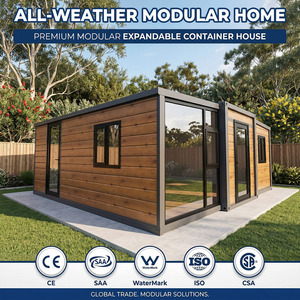
Expandable Modular Mobile Hospital & Administrative Unit
Rapidly deployable expandable container unit providing versatile space for field triage, temporary administrative offices, or hotel-style healthcare staff quarters.
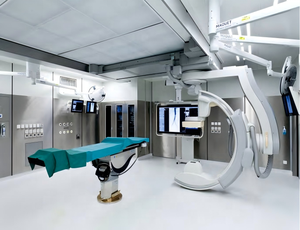
Stationary Modular Stainless Steel Clinic Lab (ISO Class 100 Clean Room)
Precision-engineered medical laboratory module with integrated HEPA filtration, anti-microbial stainless steel paneling, and rapid onsite connection systems.
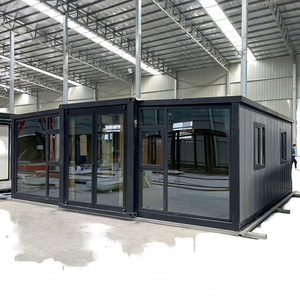
Affordable Micro Modular Clinic & Healthcare Catering Hub
Compact flat-pack modular structures optimized for micro-footprints in dense urban sites, ideal for field cafeterias, testing booths, and local distribution centers.
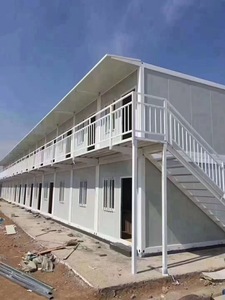
Two-Story Modular Container Hospital & Medical Complex
Vertical multi-level modular facility designed to double clinical floor capacity within constrained city footprints, incorporating internal stairwells and heavy-duty structural steel framing.
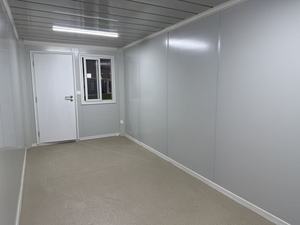
Budget-Friendly Z-Foldable Modular Medical Storage Cabin
Innovative Z-folding structural design allowing 10-minute setup per cabin. Perfect for disaster management inventory, site command centers, and temporary medical supply depots.
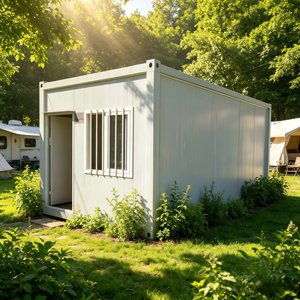
Customizable Exterior Movable Container Clinic Unit
Weather-resistant, insulated mobile clinic designed for community health screening, remote triage, and rapid municipal medical deployment in suburban and urban Tokyo.
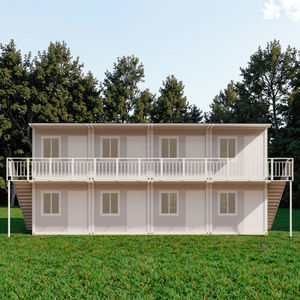
Fast-Assemble Prefab Modular Healthcare Educational Space
Multi-purpose modular hall structured for medical training seminars, temporary administrative hubs, or emergency community health education facilities.
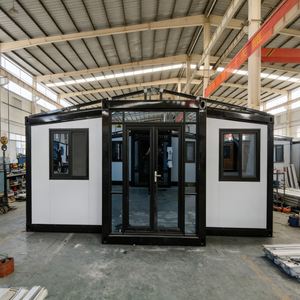
Steel-Framed Expandable Medical Clinic (Modern Architectural Design)
Heavy-duty galvanized steel chassis integrated with thermal insulation panels, pre-installed electrical systems, and emergency medical gas plumbing points.
Engineering Next-Generation Modular Medical Infrastructure for Greater Tokyo
The Greater Tokyo Area, housing over 37 million residents within an intensely packed urban landscape, presents unique infrastructure challenges for healthcare providers, municipal planners, and emergency preparedness authorities. Navigating strict land availability, seismic vulnerabilities (such as preparation for the predicted Tokyo Near-Field Earthquake), and a rapidly aging demographic (Chōkōreishakai) requires a fundamental shift in healthcare architecture. Prefabricated and modular healthcare facilities have emerged as the definitive benchmark for resilient, sustainable, and rapidly deployable medical expansion.
1. High-Performance Seismic Resilience & Structural Frame Integrity
Tokyo operates under some of the most rigorous structural codes globally, dictated by the Japanese Building Standard Law (BSLA). Traditional permanent construction often suffers from extended project lead times and high material staging footprints. Prefabex modular healthcare buildings utilize structural Cold-Formed Light Gauge Steel (LGS) and heavy-duty Q355B galvanized structural box sections engineered specifically to absorb lateral seismic kinetic energy.
Our offsite-manufactured modules maintain high ductility, avoiding brittle structural failure during high peak ground acceleration (PGA) events matching the Japan Meteorological Agency (JMA) Seismic Intensity Scale 7. Dynamic structural modeling ensures that structural joints, ceiling mounts for medical equipment, and internal fluid/gas piping retain full integrity during severe tremors.
2. Urban Footprint Optimization & Micro-Site Accessibility
Land scarcity in central wards such as Shinjuku, Shibuya, and Chiyoda makes large-scale hospital expansion nearly impossible using traditional poured-concrete methods. Modular medical pods provide an ideal solution through vertical stackability (up to 3–4 stories) and modular interconnectivity. Pre-engineered modules are delivered pre-wired and pre-plumbed, allowing installation on tight urban plots, existing parking facilities, or rooftop superstructures with minimal disruption to local traffic flow.
3. Infection Control: Negative Pressure Isolation & ISO Cleanroom Specs
Post-pandemic healthcare protocols in Japan demand immediate, flexible surge capacity for airborne pathogen containment. Prefabex modular medical units can be outfitted with advanced HVAC systems capable of maintaining negative pressure environments (-15 Pa to -30 Pa) with 12 to 15 complete air changes per hour (ACH).
HEPA & ULPA Air Filtration
Integrated H14 HEPA filtration capturing 99.995% of airborne particles down to 0.3 microns, maintaining ISO Class 5 to Class 8 cleanroom standards for surgical pods and diagnostic labs.
Anti-Microbial Interior Shell
Seamless, non-porous stainless steel wall cladding with coved PVC flooring to prevent biological buildup and allow complete chemical wash-downs between medical shifts.
Isolated Medical Gas Plumbing
Factory-fitted copper medical gas lines (O2, Vacuum, Medical Air) pre-tested under high hydrostatic pressure prior to international shipment.
4. High-Efficiency Thermal Insulation for Tokyo's Microclimate
Tokyo experiences significant seasonal temperature shifts, ranging from hot, humid summers (reaching over 35°C with high relative humidity) to cold winter months. Uninsulated temporary facilities lead to exorbitant energy expenditures and unstable indoor environmental controls for sensitive medical equipment.
Our modules incorporate high-density Polyurethane (PU) sandwich panels (density ≥ 40 kg/m³) or Non-Combustible Rockwool cores (density ≥ 100 kg/m³). This achieves exceptional thermal performance with thermal conductivity (λ) values as low as 0.022 W/m·K, significantly reducing HVAC operating costs while ensuring acoustic damping essential for patient recovery zones.
Key Localized Trends in Tokyo’s Prefab Healthcare Sector
How Japanese procurement departments, private healthcare networks, and municipal disaster agencies are modernizing their facilities.
Decoupling Permanent vs. Surge Infrastructure
Tokyo healthcare operators are moving away from monolithic hospital expansions in favor of modular "hub-and-spoke" models. Core treatment remains in central facilities, while sub-acute, diagnostic, and geriatric care modules are positioned flexibly in satellite municipal locations.
Zero Energy Building (ZEB) Integration
Aligned with Japan’s 2050 Carbon Neutrality goal, modern modular clinics serving Tokyo integrate roof-mounted photovoltaic (PV) solar arrays, automated LED smart lighting, and energy-recovery ventilation (ERV) systems to minimize carbon footprints.
Smart Tele-Medicine & IoT Cabins
Addressing Tokyo's suburban eldercare facilities, specialized micro-modular kiosks equipped with remote diagnostic telemetry, high-speed fiber connectivity, and automated health checking terminals are being deployed rapidly.
Why Prefabex is the Trusted Supply Partner for Tokyo Market Buyers
Vertically integrated design, factory-controlled manufacturing precision, and proven international shipping capabilities.
ISO Certified Manufacturing Excellence
Our production plants operate under strict ISO 9001 (Quality Management), ISO 14001 (Environmental Management), and ISO 45001 (Occupational Health & Safety) frameworks. Every weld, panel seal, and electrical run undergoes factory acceptance testing (FAT) before export.
Streamlined Global Export & Tokyo Port Logistics
With extensive experience shipping to over 45 nations, Prefabex manages flat-pack containerized freight directly into the Port of Tokyo or Port of Yokohama. We ensure seamless customs documentation, breakdown logistics, and last-mile transport coordination.
In-House Multidisciplinary Engineering
Our internal engineering teams cover architectural, structural, electrical, and mechanical disciplines. We deliver complete BIM models, 3D renders, structural calculations, and MEP shop drawings aligned with international building codes.
End-to-End Turnkey Execution
From site design and factory fabrication to international shipping, foundation engineering guidance, and rapid site assembly — Prefabex simplifies procurement under a single point of accountability.
Frequently Asked Questions for Tokyo Healthcare Procurement
Answers to common technical, legal, and logistical questions regarding modular medical deployment in Japan.
Prefabex works closely with Japanese engineering partners to ensure structural steel specifications, fire-resistance ratings (such as non-combustible wall panels), and wind/seismic load calculations meet local municipal requirements across Tokyo’s 23 special wards. Full structural calculation sheets are provided for local building certification applications.
Yes. We offer Flat-Pack and Demountable Containerized Modular Systems. These units are shipped in standard ISO sea containers and transported on standard flatbed trucks, allowing easy navigation through narrow urban streets in Tokyo before being assembled on-site using lightweight cranes.
Factory fabrication typically takes between 15 to 30 days depending on facility size and cleanroom integration. Shipping to the Port of Tokyo takes approximately 18–25 days. Once on-site, a standard single-story 100 m² clinic can be erected and connected to utilities in less than 72 hours.
Absolutely. Prefabex provides customized structural floor reinforcement (capable of supporting live loads exceeding 500 kg/m²) and lead-lined interior wall panels for radiation shielding in modular radiology suites and CT diagnostic pods.
Our modular units utilize A1 Class Non-Combustible Rockwool insulation and fire-rated steel wall panels offering 1-hour to 2-hour fire resistance ratings. This ensures full compliance with Tokyo Fire Department regulations for temporary and permanent institutional buildings.
Request Technical Specs & Procurement Consultation for Tokyo Projects
Partner with an ISO-certified global manufacturer specializing in high-performance modular hospitals, negative pressure clinics, and emergency medical pods.