Engineered Modular Retail Kiosks & Commercial Units
Factory-fabricated, climate-insulated modular kiosks engineered in China for rapid deployment across Jakarta's high-density retail districts.
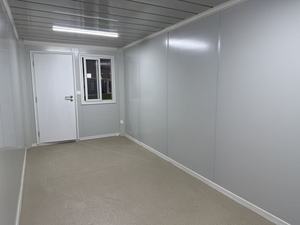
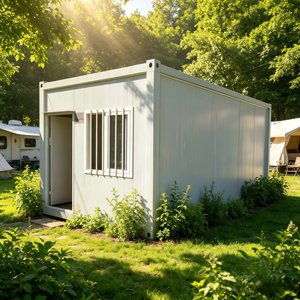
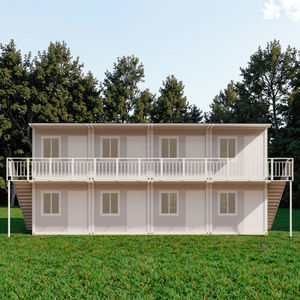
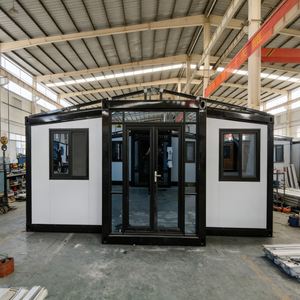
Executive Summary: The Evolution of Modular Retail Infrastructure in Jakarta
The retail landscape in Special Capital Region of Jakarta (DKI Jakarta) and the broader Jabodetabek metropolitan area (comprising Jakarta, Bogor, Depok, Tangerang, and Bekasi) is undergoing a structural transition. Rapid urban density growth, soaring commercial real estate lease rates in central business districts like Sudirman, Thamrin, and Kuningan, alongside shifting consumer behaviors toward decentralized micro-retailing, have generated urgent demand for flexible, high-durability, and rapidly deployable commercial spaces.
Modular retail kiosks designed and engineered in China represent the primary technological solution to this commercial challenge. By replacing traditional wet-construction methods with precision off-site prefabrication, commercial developers, F&B franchisors, and municipal transit planners can deploy retail infrastructure up to 75% faster, while reducing initial capital expenditure (CapEx) by 40% to 60%. This technical whitepaper establishes the procurement framework, engineering requirements, localized climate adaptations, and import compliance guidelines for sourcing high-performance modular retail kiosks from premier Chinese manufacturers for the Jakarta market.
Information Gain Insight: Sourcing modular kiosks directly from qualified Chinese OEMs allows Jakarta enterprises to bypass local structural material inflation while obtaining structural steel framing treated with C5-grade anti-corrosion coatings mandatory for coastal equatorial climates.
Macro-Economic & Urban Drivers in Jabodetabek
Jakarta’s retail ecosystem is constrained by land scarcity, complex municipal zoning regulations, and heavy traffic congestion. Key drivers accelerating modular retail kiosk adoption include:
Transit-Oriented Developments (TOD)
Expansion of the Jakarta MRT, LRT Jabodebek, and KRL Commuterline has created lucrative pedestrian nodes around stations like Dukuh Atas, Blok M, and Lebak Bulus, demanding quick-turnout retail kiosks that require minimal site footprint.
Outdoor F&B & Lifestyle Hubs
Prominent developments in Pantai Indah Kapuk (PIK 2), BSD City, and Kelapa Gading favor modular, aesthetically modern pop-up container cafes and retail pods that can be reconfigured based on seasonal tenant mix.
Risk Mitigation & Mobility
Short-term commercial leases and pop-up land concessions require modular structures that can be deconstructed, loaded onto standard flatbed trucks, and relocated without structural degradation.
Engineering & Localization Standards for Jakarta's Environment
Deploying modular kiosks in Jakarta requires engineering adaptations to handle tropical equatorial conditions: intense heat, high relative humidity (averaging 75%–90%), heavy seasonal monsoon downpours, and severe coastal salt-spray near North Jakarta. Standard modular structures designed for temperate zones will suffer from rapid corrosion, insulation breakdown, and water ingress if not properly customized.
1. Corrosion Resistance & Structural Frame Integrity
Top Chinese suppliers utilize Q235 or Q355 hot-dip galvanized structural steel tubing and cold-formed steel sections. For Jakarta deployments, frame components undergo electrostatic powder coating or marine-grade polyurethane epoxy painting to achieve a minimum dry film thickness (DFT) of 120-150 microns. This ensures structural longevity exceeds 15–20 years despite high humidity and ambient salinity.
2. Thermal Isolation & HVAC Efficiency
Solar radiation in Jakarta can elevate surface metal kiosk temperatures above 60°C. To maintain comfortable interior retail environments and limit air conditioning power consumption, kiosk wall panels must employ Polyurethane (PU) or high-density Rockwool core sandwich panels (density ≥ 120kg/m³) with thermal conductivity values below 0.024 W/m·K. Vacuum-sealed double-glazed Low-E glass storefronts are integrated to block ultraviolet (UV) heat gain while maintaining maximum merchandise visibility.
3. Waterproofing & Monsoon Flood Resilience
During the Jakarta rainy season (November to March), intense precipitation demands specialized roofing systems. Prefabricated kiosks incorporate internal guttering networks with integrated downspouts engineered for drainage capacities up to 150 mm/hour. Roof membranes utilize seamless EPDM or continuous standing-seam galvanized roof panels. Kiosks destined for flood-prone ground sites are engineered with elevated structural chassis legs (150mm to 300mm clearance).
| Engineering Metric | Standard Import Kiosk | Jakarta-Optimized Premium Kiosk |
|---|---|---|
| Structural Frame Steel | Q235 Cold-Rolled Steel | Hot-Dip Galvanized Q355B Steel (Anti-Corrosion C5 Paint) |
| Wall Insulation Panel | 50mm EPS Panel (12kg/m³) | 75mm High-Density PU / Rockwool (Core Density ≥ 120kg/m³) |
| Roof Waterproofing | Single-ply Corrugated Sheet | Double-Seam Standing Roof + EPDM Membrane + Internal Drain Gutter |
| Glass & Storefront | Single Tempered Glass 6mm | 6mm + 12Ar + 6mm Low-E Argon-Filled Double Toughened Glass |
| Electrical Compliance | Generic Factory Wiring | SNI Compliant Flame-Retardant PVC Conduits (220V/50Hz Pre-wired) |
| Floor Structure | 15mm Plywood + Vinyl | 18mm Fiber Cement Board + IP67 Waterproof Heavy-Duty Vinyl/Aluminum Checker |
Logistics Optimization: From Chinese Factory to Tanjung Priok, Jakarta
Optimizing sea transport costs is critical to preserving the CapEx advantages of sourcing modular kiosks from China. Leading Chinese suppliers engineer kiosks specifically around international maritime transport containers.
Shipping Configurations
Modular kiosks are supplied in three primary packaging formats depending on design complexity and local labor availability in Jakarta:
1. Flat-Pack System (CKD/SKD): Kiosks are prefabricated into flat structural packages. A single 40ft High Cube (HQ) shipping container can transport up to 4 to 6 unit modules, dramatically reducing ocean freight costs per square meter. Assembly requires basic crane support and 3-4 technicians on site.
2. Fully Assembled Turnkey Units (CBU): Compact kiosks (e.g., 2.4m x 4.0m security or coffee booths) are shipped 100% finished with pre-installed electrical systems, counters, and cabinetry. Upon discharge at Tanjung Priok Port, units are offloaded directly onto flatbed trailers, placed on site, plugged into local power, and operational within hours.
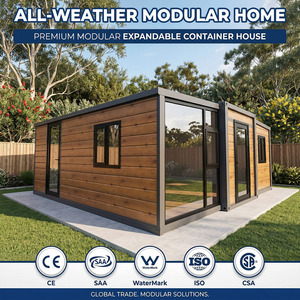
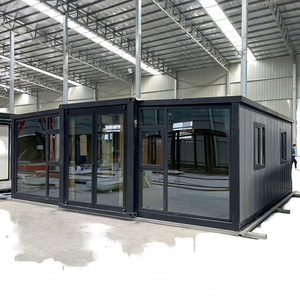
3. Expandable Container Pods: Hinged floor and roof assemblies allow a 20ft footprint to unfold into a 36 sqm retail footprint on-site, offering maximum square footage relative to ocean shipping volume.
Import Customs & Duty Optimization: Under the ASEAN-China Free Trade Area (ACFTA), Indonesian importers can leverage the Form E Certificate of Origin provided by accredited Chinese manufacturers to qualify for 0% or substantially reduced import tariff rates at Tanjung Priok customs clearance.
Why Partner With Premier Chinese Manufacturers? Enterprise Strengths
As an industry-leading modular building manufacturer based in China with global deployment experience spanning over 45 countries, our manufacturing ecosystems offer technical capabilities that unaccredited local vendors cannot replicate:
ISO-Certified Quality Management
Strict factory production quality management certified under ISO 9001 (Quality), ISO 14001 (Environment), and ISO 45001 (Safety). Every retail kiosk undergoes rigorous water-tightness testing, structural load testing, and electrical safety validation prior to container loading.
In-House Multi-Disciplinary Engineering
Our dedicated structural, architectural, and MEP engineering teams utilize 3D BIM (Building Information Modeling) and structural CAD software. We deliver complete engineering calculation packages, electrical schematics, and 3D architectural renders tailored to your brand identity.
End-to-End OEM / ODM Customization
From micro-coffee kiosks to multi-unit food hall complexes, we accommodate fully customized exterior cladding (aluminum composite panels, WPC wood finish, perforated steel screens), internal commercial kitchen ducting, hydraulic awnings, and smart IoT security integration.
Frequently Asked Questions (FAQ) for Jakarta Importers & Procurement Teams
Addressing key technical, logistical, and legal questions regarding importing modular retail kiosks from China into Indonesia.
Ready to Launch Your Modular Retail Network in Jakarta?
Connect with our senior modular engineering consultants today. Receive a comprehensive CAD design, technical specification sheet, and factory-direct price quotation for your Jabodetabek project within 24 hours.
Get a Quote