CE Certified Prefabricated Equipment Shelters
Engineered modular containers, cleanrooms, medical units, and industrial equipment shelters optimized for rapid deployment and harsh atmospheric resilience.
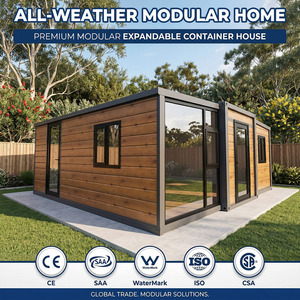
Modular Expandable Equipment Shelter Cabin
- EN 1090 Structural Steel Framing
- R-24 Thermal Sandwich Panels
- High Wind & Snow Load Rated
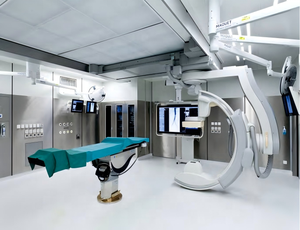
Stainless Steel Cleanroom & Lab Equipment Shelter
- ISO Class 100 Controlled Enclosure
- Corrosion-Resistant SS304/316
- HVAC Environmental Controls
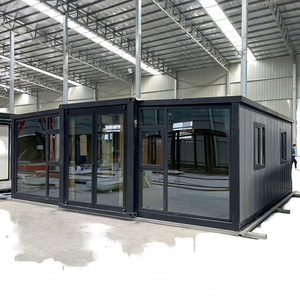
Portable Industrial Utility & Control Equipment Container
- Demountable Fast-Assembly Frame
- IP66 Ingress Protection Rating
- Pre-Wired Electrical Channels
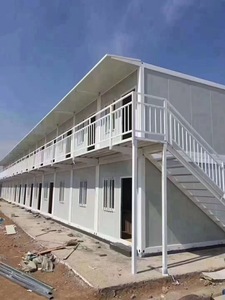
Double-Deck Modular Command & Equipment Shelter
- Stackable Structural Steel Grid
- Integrated Fire Suppression System
- Seismic Zone 4 Reinforced
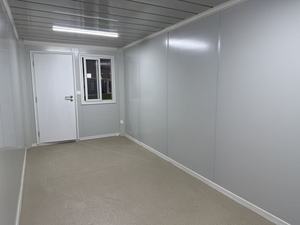
Z-Foldable Rapid-Deployment Storage & Shelter Unit
- 10-Minute Crane Assembly
- Galvanized Steel Anti-Rust Finish
- Compact Transport Footprint
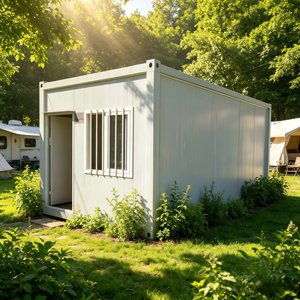
Movable Medical & Sensitive Instrument Enclosure
- Antimicrobial Wall Surfaces
- Climate-Controlled Thermal Envelope
- Emergency Backup Generator Ready
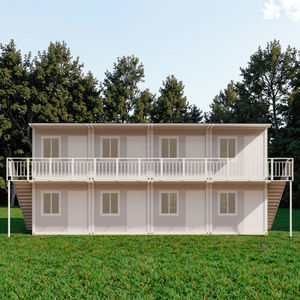
Modular Educational & Technical Operational Center
- Acoustically Insulated Panels
- Heavy-Duty Vinyl Flooring
- Custom Cable Duct Integration
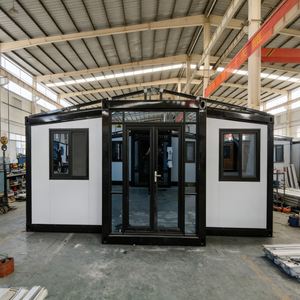
Expandable Telecom & SCADA Equipment Shelter
- CE Certified Structural Frame
- EMI/RFI Shielding Options
- 1-Year Structural Warranty
Industrial-Grade Prefabricated Equipment Shelters for the Seattle & PNW Region
As critical infrastructure expands across the Greater Seattle Area, King County, and the broader Pacific Northwest (PNW), demand for high-reliability, climate-defensive prefabricated equipment shelters has accelerated. Modern utility grids, 5G telecommunication networks, marine automation interfaces at the Port of Seattle, and data center backup systems require specialized housings that maintain thermal equilibrium, structural integrity, and zero moisture ingress. Our CE-certified modular shelters are custom-engineered to bridge European factory precision with the exacting structural, environmental, and municipal requirements of Washington State.
Every shelter deployed to the Seattle market undergoes comprehensive factory acceptance testing (FAT), evaluating structural load capacity, thermal envelope integrity, and electromagnetic compatibility. Whether housing sensitive SCADA switchgear, micro-grid battery storage systems (BESS), or fiber-optic signal repeater gear, these units provide turnkey operational security immediately upon site positioning.
Seismic Category D/E Engineering
Designed to withstand Pacific Northwest subduction zone forces, incorporating heavy-gauge steel corner assemblies and anchored baseplates compliant with ASCE 7-16 guidelines.
Wind-Driven Rain Protection
Triple-sealed interlocking panel joints and double-drip edge roof flashing prevent liquid penetration during severe, multi-day Northwest rainstorms and gale-force wind conditions.
Integrated HVAC & Climate Control
Redundant wall-mounted HVAC systems featuring economizers and HEPA filtration ensure internal ambient temperatures remain locked between 68°F and 72°F despite extreme outdoor fluctuation.
Localized Application Scenarios in Seattle & Puget Sound
Deploying sensitive equipment in the unique geographical topography of Seattle — ranging from urban coastal corridors along Puget Sound to elevated inland mountain passes like Snoqualmie — demands specialized modular configurations. Our prefabricated equipment shelters are currently tailored for several high-growth regional sectors:
1. Telecommunications & 5G Core Network Edge Densification
Seattle’s tech-driven ecosystem requires rapid rollout of 5G cellular infrastructure. Our compact, CE-marked telecom shelters provide secure, climate-controlled environments for base transceiver stations (BTS), fiber distribution hubs, and battery backup banks. Designed for minimal footprint placement on urban rooftops or rural right-of-ways along I-5 and I-90 corridors.
2. Port of Seattle & Maritime Industrial Automation
Saltwater spray and high-humidity environments degrade standard industrial housings within months. We supply shelters featuring C5-M ultra-high anti-corrosion protective coatings, marine-grade stainless steel hardware, and specialized intake louvers that strip airborne saline moisture before it reaches internal switchgear and maritime control systems.
3. Clean Energy & BESS (Battery Energy Storage Systems)
With Washington State’s aggressive clean energy mandates, utilities and commercial developers are rapidly installing battery storage units. Our fire-rated modular enclosures incorporate non-combustible rockwool core paneling (A1 fire rating), specialized floor loading reinforcement (up to 2,500 lbs/sq.ft), and automated explosion-venting roof hatches for maximum safety compliance.
4. Municipal Water, Wastewater & Public Utility SCADA
Water districts throughout King, Pierce, and Snohomish counties rely on our demountable and stationary utility shelters to protect telemetry, remote terminal units (RTUs), and chemical dosing pumps. Factory pre-wiring and pre-plumbed MEP conduits drastically reduce field installation downtime in environmentally sensitive watersheds.
Technical & Structural Specification Matrix
Below is an engineering baseline for our CE-certified prefabricated equipment shelters supplied to commercial, utility, and telecom clients serving the Seattle market:
| Parameter | Standard Specification | Seattle / PNW Custom Enhancement |
|---|---|---|
| Structural Certifications | CE Mark, EN 1090-1, ISO 9001:2015 | Stamped Structural Calculations for IBC/WA State Code |
| Wind Load Capacity | 110 mph (0.50 kN/m²) baseline | Up to 145 mph rated profiles for coastal exposure |
| Snow Load Capacity | 30 lbs/sq.ft (1.44 kN/m²) | Reinforced roof beams supporting 60–90 lbs/sq.ft for mountain elevation |
| Seismic Performance | Zone 3 Compliant | Seismic Design Category D & E anchorage detailing |
| Thermal Insulation | R-16 Polyurethane (PIR) Core | R-24 to R-32 Continuous PIR or High-Density Rockwool |
| Corrosion Resistance | C3 Galvanized Powder-Coated Steel | C5-M Heavy Industrial Marine Polyurethane Paint Coating |
| Fire Resistance Rating | EI 30 to EI 60 (EN 13501-1) | Up to 2-Hour (EI 120) Non-Combustible Wall System |
| Ingress Protection (IP) | IP55 Standard Seal | IP66 NEMA 4X equivalent with rain-screen facade options |
Seattle Market Trends: Decarbonization, Permitting & Offsite Construction
The Seattle commercial construction landscape is experiencing a paradigm shift driven by high local labor costs, stringent Washington State Energy Codes (WSEC), and tight urban site constraints. Prefabricated modular equipment shelters directly solve these pain points through offsite manufacturing excellence:
Accelerated Permitting Timelines
Factory-built modular shelters constructed under controlled quality management protocols streamline local King County inspections. Pre-engineered calculations simplify structural plan approvals.
Decarbonized Offsite Manufacturing
Offsite modular assembly reduces ambient jobsite dust, noise, and carbon emissions in dense Seattle neighborhoods like South Lake Union, Bellevue, and Downtown commercial zones.
All-Weather Construction Schedule
Seattle’s average 150+ rainy days per year can severely delay traditional masonry or stick-built enclosures. Prefabricated shelters arrive 95% complete and install in hours.
Furthermore, local utility initiatives by Seattle City Light and Puget Sound Energy (PSE) prioritizing grid electrification and EV charging infrastructure hubs require modular electrical sub-stations that can be dropped into place via crane and commissioned within a single shift.
Why Global Infrastructure Teams Trust Our Modular Manufacturing
As a leading international designer and manufacturer of modular buildings and prefabricated structural steel systems, our facilities bring decades of technical authority, material mastery, and global supply-chain reliability to every project.
ISO Certified Excellence
Rigorous multi-stage quality control guarantees that every weld, panel joint, and electrical termination meets precise international benchmarks.
In-House Structural & MEP Engineering
Our complete multidisciplinary engineering team provides custom architectural drawings, structural calculations, and 3D BIM models for seamless site integration.
Global Logistics Expertise
Direct shipping access through major maritime logistics nodes, including direct containerized transport to the Port of Seattle and Tacoma terminals.
Fully Customized Architecture
From architectural exterior cladding (wood grain, composite panels, custom RAL paint) to specialized interior cable trays, access floors, and HVAC cutouts.
Turnkey Modular Capability
Integrating architectural, structural, fire suppression, and MEP systems at the factory level eliminates multi-trade scheduling conflicts on-site.
Long-Term Structural Durability
Engineered for a minimum 30-year operational design life with minimal structural maintenance even under severe coastal weather cycles.
Frequently Asked Questions for Seattle Area Procurement
Common technical, regulatory, and logistics queries from contractors, engineers, and utility managers sourcing equipment shelters in the Seattle region:
How do CE certified shelters align with Washington State & Seattle Building Codes?
While CE certification validates European health, safety, and environmental standards (including EN 1090 structural steel execution), our engineering team translates these parameters into US customary units and provides stamped engineering calculations verifying compliance with the International Building Code (IBC) and Washington State Amendments.
What anti-corrosion protection is used for shelters placed near Puget Sound?
Shelters bound for coastal or marine environments are treated with hot-dip galvanization and finished with a C5-M rated high-build epoxy primer and polyurethane topcoat, resisting atmospheric salinity and preventing edge-rust development.
Can the equipment shelters be customized for high seismic zones in King County?
Yes. The structural steel skeleton is dynamically calculated for Seismic Design Categories D and E. Internal equipment mounting rails, floor structures, and heavy transformer pads are reinforced to withstand severe ground accelerations without deflection.
What insulation options are recommended for Pacific Northwest climate conditions?
We recommend continuous PIR (polyisocyanurate) sandwich panels with a minimum thickness of 80mm to 100mm (R-22 to R-30), preventing thermal bridging and eliminating internal condensation during cold, damp winter months.
How are the shelters delivered to sites with limited access in downtown Seattle?
Our flat-pack or fully assembled modular units are optimized for standard flatbed truck transport via the I-5 / I-90 network. They feature integrated top corner casting lifting points or fork pockets for swift offloading via crane or heavy forklift.
Can equipment be factory-installed prior to shipment?
Yes. We regularly accommodate factory integration of cable trays, distribution boards, server racks, HVAC units, and fire suppression systems so the unit arrives at your Seattle project site virtually plug-and-play.
Request a Custom Technical Quote for Your Seattle Project
Our engineering team is ready to review your project specifications, site loads, and architectural layouts. Contact our technical sales department today for detailed budgetary pricing, CAD drawings, and factory lead times.