Technical Whitepaper: Engineering Modern China Wholesale Modular Kitchen Facilities
As large-scale industrial projects, mining compounds, construction sites, and emergency relief operations expand into remote geographies worldwide, the demand for high-capacity, turn-key commercial catering infrastructure has escalated rapidly. Sourcing directly from premier China wholesale modular kitchen facilities suppliers offers global engineering procurement contractors (EPCs), project managers, and government bodies an unparalleled strategic advantage in cost control, deployment speed, and structural adaptability.
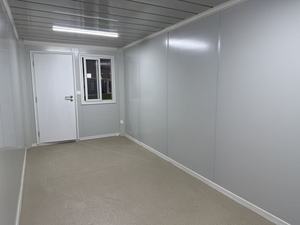
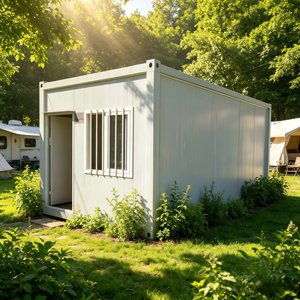
Modern modular kitchen buildings are far more than standard shipping containers converted into cooking spaces. They represent fully engineered, off-site manufactured volumetric units integrated with food-grade 304/316 stainless steel interior linings, industrial grease interceptors, heavy-duty commercial HVAC exhaust hood systems, and pre-configured MEP (Mechanical, Electrical, and Plumbing) infrastructures that adhere to stringent HACCP (Hazard Analysis Critical Control Point) and NSF hygiene standards.
1. Structural Engineering & Material Standards
The structural backbone of China-manufactured modular kitchen complexes relies on cold-formed high-tensile galvanized steel profiles. Frame members undergo anti-corrosion hot-dip galvanization processes, protecting against extreme marine, desert, and polar atmospheric conditions. Wall and ceiling envelopes are framed with high-density polyurethane (PU) or non-combustible structural rockwool sandwich panels, delivering superior thermal performance (K-values as low as 0.022 W/m²K) and a Class A fire-resistance rating vital for high-heat commercial cooking zones.
| Specification Parameter |
Modular Kitchen Units (China Factory Specs) |
Traditional Site-Built Commercial Kitchens |
| Deployment Timeline |
15 – 30 Days (Off-site Prefabrication) |
6 – 12 Months (On-site Civil Construction) |
| Hygiene Lining |
Seamless AISI 304 Stainless Steel / Anti-bacterial FRP |
Tiled Masonry (Prone to Grout Bacteria Harboring) |
| Fire Safety Compliance |
Class A Rockwool Core / Pre-installed ANSUL Systems |
Variable On-site Framing & Drywall Coatings |
| Transportation Efficiency |
ISO Standard Flat-Pack / 40ft HQ Volumetric Shipping |
Raw Material Freight & On-site Waste Handling |
| Relocatability |
100% Demountable & Re-deployable across multi-sites |
Permanent Structural Fixed Asset (Zero Mobility) |
2. MEP & HVAC Micro-Environmental Controls
High-volume commercial catering produces extensive grease vapor, moisture, and high thermal loads. Top-tier China modular kitchen suppliers integrate targeted mechanical air exchange systems capable of achieving 30 to 40 complete air changes per hour (ACH). Variable Frequency Drive (VFD) exhaust hoods equipped with UV-C grease filtration and automated fire suppression dampers are integrated into the ceiling framing prior to factory shipment. Waterproof floor assemblies utilize non-slip stainless steel checkered plate or epoxy resin screeds over fiber-cement boards, complete with integrated central gutter drainage and grease traps designed for easy maintenance access.
Global Sourcing Trends & Future Outlook for Modular Kitchen Facilities (2025–2030)
Navigating international supply chains requires a thorough understanding of incoming industry shifts. The commercial modular construction sector is undergoing a rapid transition toward sustainable, smart-enabled, and hyper-scalable modular ecosystems. Below are four key trends shaping global B2B procurement decisions over the next decade:
1. Off-Grid & Net-Zero Hybrid Operations
Global project owners are increasingly specifying modular kitchen facilities equipped with rooftop solar PV microgrids, lithium battery storage, and solar thermal water pre-heating systems. Future modular catering units produced in China feature ultra-insulated envelopes and smart energy recovery ventilation (ERV) to minimize total generator fuel consumption in off-grid workforce camps by up to 45%.
2. Plug-and-Play Volumetric Scalability
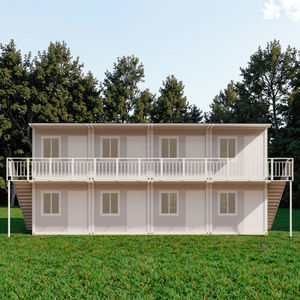
Instead of single isolated kitchen modules, the trend favors standardized interlocking modular blocks. Sourcing teams can procure kitchen modules, cold-storage freezer containers, dry food store units, staff dining halls, and dishwashing stations that snap together via heavy-duty structural twist-locks and quick-connect hydraulic/electrical umbilical interfaces.
3. ISO Cleanroom Sanitation Integration
Post-pandemic health security and international catering guidelines have elevated food preparation cleanliness expectations. Advanced modular kitchen units are adapting ISO Class 100 cleanroom technology—utilizing positive pressure airflow systems, HEPA filtration, and touchless automated access controls to prevent airborne contaminants within massive industrial meal prep environments.
4. Optimized Flat-Pack Sea-Freight Containerization
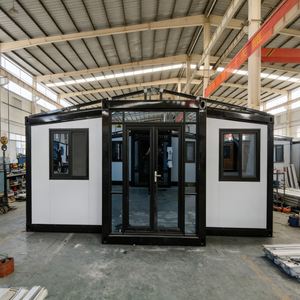
Freight optimization is critical to reducing B2B procurement landed costs. Modern modular kitchen and dining facilities engineered in China are designed to fold or pack flat into 40ft High Cube container profiles, permitting up to 4 complete standard units to ship inside a single ocean freight container, slashing international shipping overheads dramatically.
B2B Procurement FAQs: Modular Kitchen Facilities
Q: How do your modular kitchen units comply with international food hygiene and safety standards?
Our modular kitchen units are designed following HACCP and NSF guidance. Interior walls and ceilings are panelled with smooth, non-porous AISI 304/316 stainless steel or antibacterial fiberglass reinforced plastic (FRP). Floor structures feature fully welded stainless steel checkered plates with integral coved bases and central floor drains to prevent bacterial accumulation and facilitate high-pressure hot water washdowns.
Q: Can the kitchen modules be integrated with heavy commercial cooking appliances?
Yes. During the engineering design phase, we incorporate your specified commercial catering equipment layout—including combi steamers, tilt skillets, deep fryers, walk-in coolers, and heavy gas/electric ranges. Floor joists and structural bases are reinforced to support heavy point loads, and utility hookups (3-phase electrics, LPG/Natural Gas piping, fresh water supply, and waste drainage) are pre-installed in the factory.
Q: What exhaust and fire suppression systems are pre-installed in the units?
Units are equipped with custom stainless steel exhaust hoods featuring baffle grease filters, fire-rated ducting, and powerful exterior centrifugal exhaust fans delivering required CFM extraction rates. We can integrate certified wet-chemical fire suppression systems (such as ANSUL R-102) with automatic gas shut-off valves and alarm triggers to meet local municipal fire codes.
Q: How are modular kitchen facilities shipped internationally to job sites?
Depending on unit dimensions and project urgency, we ship units either as fully assembled ISO 20ft/40ft volumetric container units (ready for immediate drop-in connection) or as flat-pack modular packages. Flat-pack designs allow multiple kitchen and dining modules to fit into standard ocean containers, minimizing international freight expenditures.
Q: What is the typical lead time for a wholesale commercial modular kitchen order?
Standard production lead time ranges from 15 to 25 days following technical drawing sign-off. Logistics transit times depend on the destination sea port (typically 15-30 days). For emergency response or urgent camp requirements, we maintain stock of standardized modular structural frames for accelerated assembly.
Q: Are your modular kitchen units suitable for extreme climatic environments?
Absolutely. Our modules are operational in ambient temperature extremes ranging from -40°C in arctic regions to +55°C in Middle Eastern desert sites. Insulation thickness (PU or Rockwool) can be configured up to 150mm, and heavy-duty industrial HVAC systems with fresh air pre-cooling/pre-heating are integrated to maintain stable indoor cooking environments.
Q: What warranty and technical support do you provide after delivery?
All structural steel frames carry a minimum 5-year structural warranty, while integrated MEP systems, HVAC units, and commercial kitchen hardware come with a 1-year operational warranty. We provide full installation documentation, electrical schematics, assembly videos, and can dispatch technical engineers for on-site commissioning supervision upon request.
Streamline Your Commercial Kitchen Procurement Today
Partner with China's leading wholesale modular kitchen facilities manufacturer. Contact our engineering team for detailed technical consultations, custom BIM layouts, and competitive direct-factory price quotes.
Contact Us