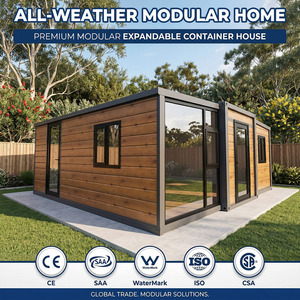
Container House Prefabricated Home Tiny Home Container Modular Mobile Home Villas Prefabricated Expandable House For Hotel
Explore our heavy-duty, climate-controlled, modular equipment shelters and specialized container units.
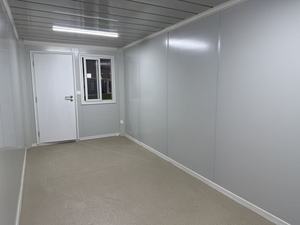
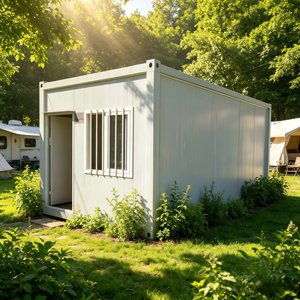
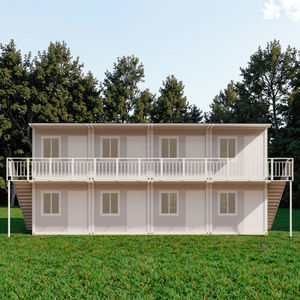
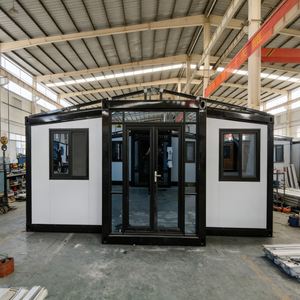
Understanding structural resilience, thermal performance, and environmental protection in mission-critical enclosures.
Modern industrial operations across telecommunications, electrical utilities, renewable energy storage, oil & gas, and defense rely heavily on prefabricated equipment shelters to house sensitive electronic hardware, high-voltage switchgear, microgrid control systems, and data routing hubs. As a leading manufacturer based in China, our engineering methodology bridges advanced metallurgy, thermal dynamics, and structural physics to deliver factory-integrated shelter systems designed to survive for decades in hostile operating environments.
Technical Definition & Core Purpose:
A prefabricated equipment shelter is a self-contained, structural steel or composite enclosure engineered to insulate critical electronic systems from extreme thermal fluctuation, dust ingress, moisture, seismic load, and electromagnetic interference (EMI). Unlike residential prefab structures, industrial shelters prioritize continuous operational integrity (99.999% uptime), mechanical protection, and fire rating.
The structural core of our shelters utilizes heavy-duty cold-formed galvanized steel framing or structural grade Q355B hot-rolled steel channels. The chassis is welded according to EN 1090-2 and AWS D1.1 structural welding protocols, establishing an ultra-rigid skeleton capable of withstanding wind loads exceeding 250 km/h (Category 5 typhoon resistance) and floor load capacities ranging from 10 kN/m² to over 35 kN/m² for battery storage racks.
For seaside environments or chemical processing plants, structural steel components undergo hot-dip galvanization (HDG) conforming to ASTM A123, applying a minimum zinc coating thickness of 85 µm to achieve C4 to C5-M marine-grade corrosion protection. This prevents rust creep and structural failure over a 30-to-50-year service lifecycle.
Uncontrolled thermal variation is the primary cause of premature electronic component failure. Our prefabricated equipment shelters implement high-density sandwich panel wall and roof assemblies to maintain strict interior ambient conditions regardless of external weather extremes (-40°C to +55°C ambient range).
| Insulation Core Type | Density (kg/m³) | Thermal Conductivity (W/m·K) | Fire Resistance Rating | Primary Industrial Application |
|---|---|---|---|---|
| Polyurethane (PU / PIR) | 40 - 45 kg/m³ | 0.018 - 0.022 | B1 / Class 1 (UL 94) | Telecom BTS, Remote Edge Data Centers |
| Structural Rockwool Core | 100 - 120 kg/m³ | 0.034 - 0.038 | A1 Non-Combustible (2-Hour EN 13501) | Substation Control, Battery Energy Storage (BESS) |
| Extruded Polystyrene (XPS) | 32 - 38 kg/m³ | 0.028 - 0.030 | B2 Self-Extinguishing | Temporary Mobile Base Stations, Remote Offices |
In addition to thermal resistance, wall-to-floor and roof connections utilize tongue-and-groove joint geometry with double EPDM synthetic rubber seals, achieving an air-tight, water-tight envelope rated at IP65 or IP66 according to IEC 60529 standards (equivalent to NEMA 4X). Dust filtration assemblies equipped with pressure-compensating dampers prevent fine particulate contamination inside optical fiber switching rooms.
Every shelter manufactured in our China facility is engineered as a plug-and-play system with factory-tested MEP infrastructure.
Dual wall-mounted air conditioning units equipped with lead-lag automatic sequencers, free-cooling economizers, and remote SNMP communication for zero-downtime thermal management.
Optional continuous copper or zinc sheet lining coupled with conductive gaskets, providing up to 80 dB attenuation from 10 kHz to 10 GHz for sensitive military radar and telecom gear.
Factory-installed FM-200 or NOVEC 1230 clean agent gas fire suppression systems integrated with early-warning aspirating smoke detection (VESDA) for instant fire isolation.
Pre-wired cable trays, main distribution boards (MDB), surge protection devices (SPD Class I+II), and grounding busbars manufactured under IEC 61439 compliance.
Custom structural dampeners, internal equipment rack tie-downs, and anti-vibration rubber mounts rated to protect internal components against Richter scale 8.0 events.
Standardized outer dimensions matching 20ft, 40ft High Cube ISO shipping containers, incorporating corner castings for low-cost ocean transport via standard container ships.
How next-generation prefabricated equipment shelters are evolving to support AI edge computing and green energy deployment.
The global demand for prefabricated equipment shelters is undergoing a paradigm shift. Driven by the expansion of 5G Advanced/6G networks, decentralized Battery Energy Storage Systems (BESS), solar/wind microgrids, and localized AI inference nodes, shelters are transitioning from simple passive physical boxes into highly intelligent, autonomous micro-facilities.
Traditional telecom shelters hosted low-power DC rectifiers and radio base stations. Today's edge computing deployments demand thermal density management for high-TDP AI chips alongside high-capacity Lithium Iron Phosphate (LFP) battery arrays. The industry trend moves toward hybrid dual-chamber shelters. Chamber A features explosion-proof ventilation and liquid-cooling distribution for battery units, while Chamber B maintains an ISO Class 8 cleanroom environment for server racks.
Global EPC contractors and telecommunications operators are enforcing strict Scope 3 carbon emission requirements during vendor selection. Our factory in China leads this shift by adopting zero-ODP (Ozone Depleting Potential) and low-GWP (Global Warming Potential) polyurethane blowing agents, recyclable structural steel with over 85% scrap recycled content, and optional solar PV rooftop skins that offset internal HVAC parasitic power loads by 15-30% annually.
Site labor costs in Western Europe, North America, and Australia continue to escalate. Future procurement heavily favors 100% factory-commissioned shelters. Systems are fully integrated with cable glands, fire suppression, emergency lighting, and HVAC systems before shipping from China. Upon arrival at site, crane placement and final main cable drop-in require less than 6 hours, eliminating field construction risks entirely.
Key financial, logistical, and technical parameters modern procurement managers evaluate when sourcing from China.
Sourcing heavy equipment enclosures internationally requires balancing upfront capital expenditure (CapEx) against long-term operational resilience (OpEx). International buyers are moving away from standard off-the-shelf enclosures toward strategic OEM/ODM partnerships with specialized Chinese manufacturers who offer deep customization and verified quality assurance.
| Procurement Criteria | Traditional Field Construction | Standard Flat-Pack Cabin | Advanced China Prefab Equipment Shelter |
|---|---|---|---|
| Site Deployment Speed | 3 to 6 Months | 1 to 2 Weeks | < 1 Day (Plug & Play) |
| Structural Service Life | 50+ Years | 10 - 15 Years | 30 - 50 Years (C4/C5 Coated Steel) |
| Factory Quality Control | Variable / Weather Dependent | Basic Manual Assembly | ISO 9001 Factory Testing & FAT Certified |
| Total Cost of Ownership (TCO) | High (Subcontractor Risk) | Moderate (High Maintenance) | Lowest (30-40% CapEx Savings vs Local Build) |
| Logistics Efficiency | Multiple Material Shipments | Flat-Packed Containers | ISO Intermodal Containerized Ocean Freight |
Procurement Insight for Engineering Teams:
When specifying equipment shelters for remote sites, always demand Factory Acceptance Testing (FAT) reports covering water tightness testing (shower test at 200 kPa), dielectric insulation testing on electrical panels, and thermal imaging of wall panels under active load prior to container loading.
Why Tier-1 telecom operators, EPC firms, and energy suppliers choose us as their long-term equipment shelter manufacturing partner.
As a premier manufacturer based in China with extensive global export experience across 45+ countries, our company bridges world-class structural engineering with unmatched manufacturing scale. Our production complexes integrate automated CNC laser cutting, robotic welding cells, continuous sandwich panel lamination lines, and dedicated environmental testing chambers.
We handle every step in-house: from structural frame roll-forming, panel production, and powder coating, to MEP installation, cable ladder layout, and pre-commissioning.
Operating under ISO 9001 (Quality Management), ISO 14001 (Environmental Management), and ISO 45001 (Occupational Health & Safety), ensuring total material traceability for all steel and electrical components.
Our multidisciplinary engineering team (architectural, structural, electrical, thermal) tailors every dimension, door placement, penetration bulkhead, and paint system to exact client specifications.
Whether your project involves expanding rural 5G coverage across mountainous terrain, installing high-voltage substation control rooms in coastal regions, or deploying modular container clinics and cleanrooms in remote areas, our engineered shelters deliver uncompromised reliability.
Detailed technical and commercial answers for project engineers, buyers, and logistics managers.
To provide an accurate engineering design and commercial quote, we typically require: (1) Outer dimensions or internal equipment footprint requirements, (2) Expected equipment heat load (kW) for HVAC sizing, (3) Site climate data including min/max ambient temperatures, wind velocity, and seismic zone rating, (4) Ingress protection level (e.g., IP55, IP65, NEMA 4X), and (5) Specific electrical or fire suppression standards needed (e.g., IEC, UL, FM200).
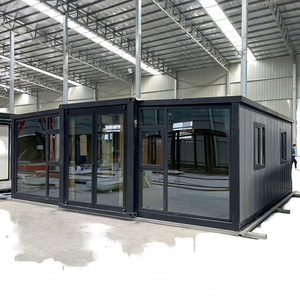
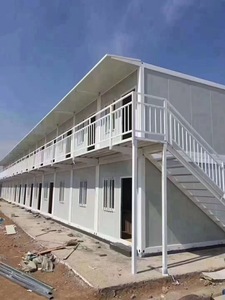
Our shelters are engineered primarily in two transport configurations: (1) Standard ISO Shipping Container Footprints (20ft or 40ft High Cube with ISO corner castings) which travel as standard intermodal ocean cargo without requiring expensive flat-rack vessels, or (2) Knock-Down / Flat-Pack Modular Formats designed to be bundled and assembled rapidly on site for locations with narrow access roads.
Standard engineering drawings and structural calculations are submitted within 5 to 7 business days following contract confirmation. Upon drawing approval, factory production and MEP integration typically require 25 to 35 calendar days for batch orders of 1 to 20 units. Accelerated production schedules are available for urgent infrastructure projects.
Yes. For offshore, island, or coastal installations, we utilize marine-grade aluminum alloy sheets or heavy hot-dip galvanized steel frames finished with a multi-layer fluorocarbon (PVDF) or C5-M high-build epoxy polyurethane coating system tested to 3,000+ hours of continuous salt spray exposure under ISO 12944-6 standards.
Absolutely. All interior distribution panels, cable raceways, LED illumination, grounding busbars, emergency power transfer switches, and surge protective devices (SPD) are wired according to IEC 60364 or NEC (NFPA 70) standards depending on the destination country requirements, complete with factory continuity and insulation test certificates.
In hot desert regions with dramatic day/night temperature swings, condensation is prevented using non-bridge continuous Polyisocyanurate (PIR) or Rockwool sandwich panels with an integrated vapor barrier. Additionally, pressure-compensating air breathers and automatic dehumidification modes within the HVAC system maintain internal relative humidity below 60%.
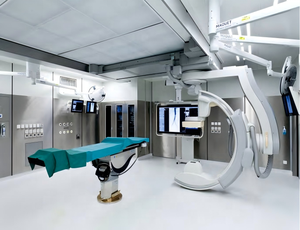
Yes, as highlighted in our product catalog, we manufacture specialized stainless steel container units designed for field medical clinics, mobile labs, and ISO Class 5 to Class 8 cleanrooms equipped with HEPA filtration, differential pressure monitoring, antimicrobial PVC flooring, and smooth anti-static wall panels.
We provide a comprehensive warranty package including a 5-to-10-year structural frame guarantee, a 2-year warranty on wall/roof sandwich panels against delamination, and manufacturer warranties (typically 1 to 2 years) on integrated active equipment such as HVAC units, fire suppression systems, and power distribution hardware.
Consult directly with our structural and MEP engineering teams in China. Receive custom 3D CAD models, structural load calculations, and competitive factory-direct pricing for your next project.