Engineered FRP & Modular Container Cabin Solutions
Explore our certified portfolio of heavy-duty Fiber Reinforced Plastic (FRP), Glass Reinforced Plastic (GRP), and light steel composite modular cabins. Designed for high structural rigidity, thermal insulation, and complete corrosion immunity in industrial, healthcare, commercial, and remote site applications.
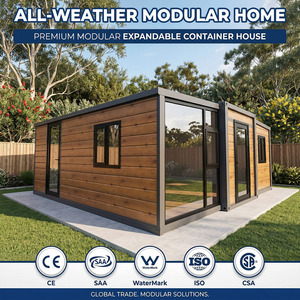
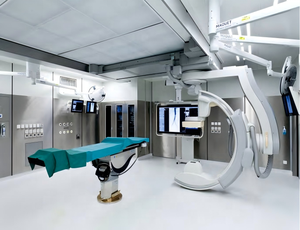
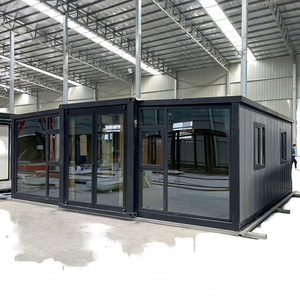
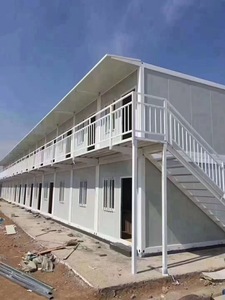
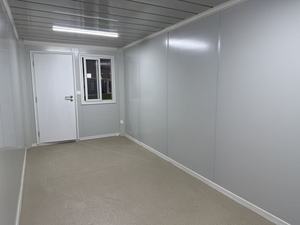
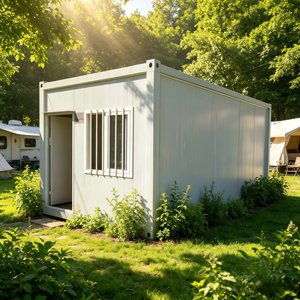
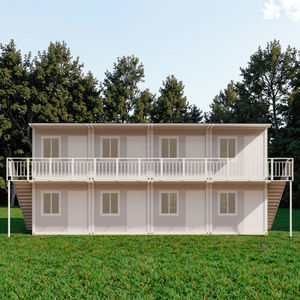
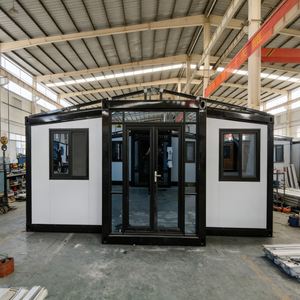
Engineering Authority: The Composite Material Science Behind FRP Cabins
As China’s premier manufacturer of Fiber Reinforced Plastic (FRP) and Glass Reinforced Plastic (GRP) modular cabins, our facility combines automated resin pultrusion, resin transfer molding (RTM), and high-pressure sandwich panel lamination. Traditional prefabricated cabins rely heavily on galvanized structural steel and thin-gauge sheet metal, which succumb to atmospheric oxidation, chemical pitting, and thermal bridging over time. In contrast, advanced FRP composite cabins represent a permanent solution to structural degradation in harsh coastal, industrial, and sub-zero operational environments.
Our engineering matrix utilizes unsaturated isophthalic polyester resins, vinyl ester formulations for extreme acid/alkali exposures, and multi-axial E-glass fiber reinforcement. These elements are co-cured with high-density polyisocyanurate (PIR) or extruded polystyrene (XPS) insulating cores, yielding unified monocoque composite panels. This structural methodology eliminates mechanical fasteners through seamless outer gelcoats, creating hermetically sealed enclosures suitable for ISO Class 100 cleanrooms, remote medical clinics, offshore electrical substations, and modular accommodation compounds.
Performance Matrix: FRP Composite Cabins vs. Standard Steel & Concrete Enclosures
| Engineering Criterion | China Top FRP Composite Cabin | Standard Steel Container Cabin | Precast Concrete Modular Unit |
|---|---|---|---|
| Corrosion Resistance Rating | Immune (ISO 12944 C5-M Extreme Marine) | High Risk (Requires repainting every 3–5 yrs) | Medium Risk (Carbonation & rebar decay) |
| Thermal Conductivity (U-Value) | 0.18 – 0.22 W/m²K (Zero Thermal Bridging) | 0.45 – 0.85 W/m²K (High Bridging Risk) | 1.20 – 1.80 W/m²K (Requires thick lining) |
| Design Service Life | 35 – 50+ Years (Maintenance-Free Outer Shell) | 10 – 15 Years (Industrial environments) | 50+ Years (Heavy structural payload) |
| Structural Weight Efficiency | Ultra-Lightweight (approx. 45-60 kg/m²) | Medium-Heavy (approx. 120-160 kg/m²) | Very Heavy (approx. 400-600 kg/m²) |
| Fire & Smoke Toxicity Safety | ASTM E84 Class A / EN 13501-1 B-s1,d0 | Combustible interior core dependent | Non-combustible Class A1 |
| Transport & Deployment Logistics | Flat-pack / Modular / Rapid Crane Lift | ISO Shipping Container constraints | Heavy transport required, high freight cost |
Comprehensive FRP Cabin Industry Development Trends
The global prefabricated building sector is undergoing a structural transition toward lightweight high-performance composites. Below are the key technological advancements shaping China's FRP cabin manufacturing landscape:
Automated Pultrusion & Monocoque Molding
Transitioning from manual hand lay-up techniques to closed-mold Resin Transfer Molding (RTM) and continuous pultrusion lines ensures precise glass fiber ratios (up to 65% fiber weight density), maximizing flexural modulus and eliminating structural voids.
Fluorocarbon PVDF & Isophthalic Gelcoats
To combat severe solar radiation in desert and equatorial deployments, outer cabin skins are integrated with UV-stabilized isophthalic gelcoats or co-extruded PVDF fluorocarbon coatings, preventing chalking, micro-cracking, and yellowing for 25+ years.
Non-Toxicity & ISO Cleanroom Compliance
Modern FRP cabin interiors incorporate non-porous antimicrobial gelcoat formulations that withstand chemical washing, hydrogen peroxide vapor decontamination, and meet ISO 14644-1 cleanroom compliance for mobile hospitals, PCR labs, and food processing quarters.
Future Procurement Trends in FRP Modular Cabins
International procurement managers, EPC contractors, and governmental buyers must adjust their vendor evaluation criteria based on emerging industry macro-trends. Key purchasing shifts expected over the next decade include:
1. Decarbonization & Bio-Based Composite Resins
Global ESG mandates are accelerating the adoption of bio-derived polyols and recycled PET bottle core foams in composite sandwich panels. Procurement specs increasingly evaluate embodied carbon metrics alongside initial capital expenditure (CAPEX).
2. Plug-and-Play Smart Sensor Integration
Future FRP cabins feature embedded Fiber Bragg Grating (FBG) optical sensors within the composite matrix to monitor real-time structural stress, deflection, temperature gradients, and moisture penetration during transport and site operation.
3. Hyper-Modular Foldable & Flat-Pack Architectures
With ocean container freight volatility, buyers prioritize Z-foldable and flat-pack modular FRP cabins. A single 40ft High Cube container can ship up to 6 demountable composite units, reducing logistics overhead by 75%.
Why Partner with China's Leading FRP Cabin Manufacturer
Our manufacturing complex represents the pinnacle of Chinese engineering precision, integrating architectural design, structural finite element analysis (FEA), MEP system integration, and global export compliance under an ISO certified management framework.
Certified Quality Assurance
All production operates under strict ISO 9001 (Quality Management), ISO 14001 (Environmental Management), and ISO 45001 (Occupational Safety) standards. Every cabin undergoes hydrostatic testing, fire resistance certification, and air tightness verification before export.
In-House FEA Structural Engineering
Our structural team utilizes Ansys and SAP2000 FEA simulation software to model wind load capacities (up to Category 5 hurricanes / 250 km/h), seismic shock absorption (Zone 4 resistance), and heavy snow accumulation forces on cabin roofs.
Turnkey Global Logistics & Support
Exporting to over 50 nations, we manage customs documentation, sea/air freight packing, structural foundation drawings, site assembly video manuals, and optional on-site field engineer supervision for large-scale mining or military projects.
Frequently Asked Questions by B2B Buyers & Engineers
Find direct technical answers to common procurement, engineering, and logistics questions regarding our FRP/GRP prefabricated composite cabins.
What are the key advantages of FRP composite cabins over painted steel containers in coastal environments?
FRP (Fiber Reinforced Plastic) is non-metallic and completely chemically inert. Standard carbon steel container cabins rely on external paint systems that chip or degrade when exposed to salt spray (C5-M environments), causing rust and structural failure within 3-5 years. FRP cabins offer zero corrosion, require no structural maintenance, and maintain full integrity for 35+ years in aggressive marine or chemical atmospheres.
How do FRP cabins handle thermal insulation in extreme climatic conditions (-40°C to +60°C)?
Our FRP cabins feature continuous sandwich construction with polyisocyanurate (PIR) or polyurethane (PU) core densities ranging from 40 to 50 kg/m³. Because composite skins have exceptionally low thermal conductivity compared to steel, thermal bridging is completely eliminated. U-values as low as 0.18 W/m²K are achievable, dramatically lowering HVAC power consumption in extreme desert or Arctic environments.
What fire safety standards do your FRP prefabricated cabins conform to?
By incorporating specialized alumina trihydrate (ATH) flame-retardant additives into the resin formulation, our FRP composite panels achieve ASTM E84 Class A flame spread ratings (Index < 25) and comply with European EN 13501-1 Class B-s1, d0 standards. In addition, internal core materials meet non-combustible or self-extinguishing parameters.
Can FRP modular cabins be fully customized for medical, cleanroom, or telecom uses?
Yes. As a primary OEM/ODM manufacturer, we customize floor layouts, structural dimensions, wall thicknesses, door placement, and internal MEP integration. We regularly deliver pre-fitted ISO Class 100 cleanroom clinics, mobile hospital units, radar control shelters, and telecom equipment enclosures complete with anti-static vinyl flooring and shielded cabling conduits.
How are FRP cabins shipped overseas, and what is the typical manufacturing lead time?
Units are engineered either as rigid monocoque units shipped inside standard 40ft High Cube containers, or flat-packed for optimized cargo density. Production lead times range from 15 to 25 calendar days depending on technical customization requirements and order volume.
What is the total lifecycle cost benefit of investing in FRP composite technology?
While initial capital expenditures for FRP composite cabins are 10–15% higher than entry-level carbon steel container units, FRP cabins incur zero structural painting costs, lower shipping weight, and yield over 50% energy savings on temperature regulation. Over a 20-year operational lifecycle, total cost of ownership (TCO) is reduced by up to 40%.
Ready to Engineering Your Custom FRP Cabin Solution?
Contact our composite engineering team today to receive detailed technical datasheets, CAD floorplans, structural load calculations, and competitive factory-direct pricing for your project.
Send an Inquiry