0%

Temporary worksites, remote projects, and event grounds need sanitation that can be installed, serviced, and moved with predictable effort. Toilet Shower Container Units combine toilet and shower facilities in a transportable enclosure, but a neat exterior proves little. Door clearance, floor drainage, ventilation, water heating, and service access matter more once the unit is in daily use.

The scale of sanitation need is substantial. The WHO and UNICEF Joint Monitoring Programme reported that 3.5 billion people lacked safely managed sanitation services in 2022. That global figure does not measure demand for container units, but it underlines why reliable sanitation design matters. McKinsey’s 2019 analysis of modular construction also found that building off-site can shorten project schedules by 20 to 50 percent under suitable conditions. That is useful context, not a promise for every installation.

A good choice starts with the site. Check how many people will use the unit, how often tanks need servicing, and whether water, power, and wastewater connections are available. Look closely at non-slip flooring, sealed joints, corrosion-resistant surfaces, and the space needed to clean around fixtures. Small details matter. Ask suppliers for clear specifications and maintenance requirements, not just product photos. The right unit depends on real operating conditions; even a careful checklist cannot replace a site inspection. These ten tips help buyers compare options with practical questions, verified claims, and a healthy degree of skepticism.
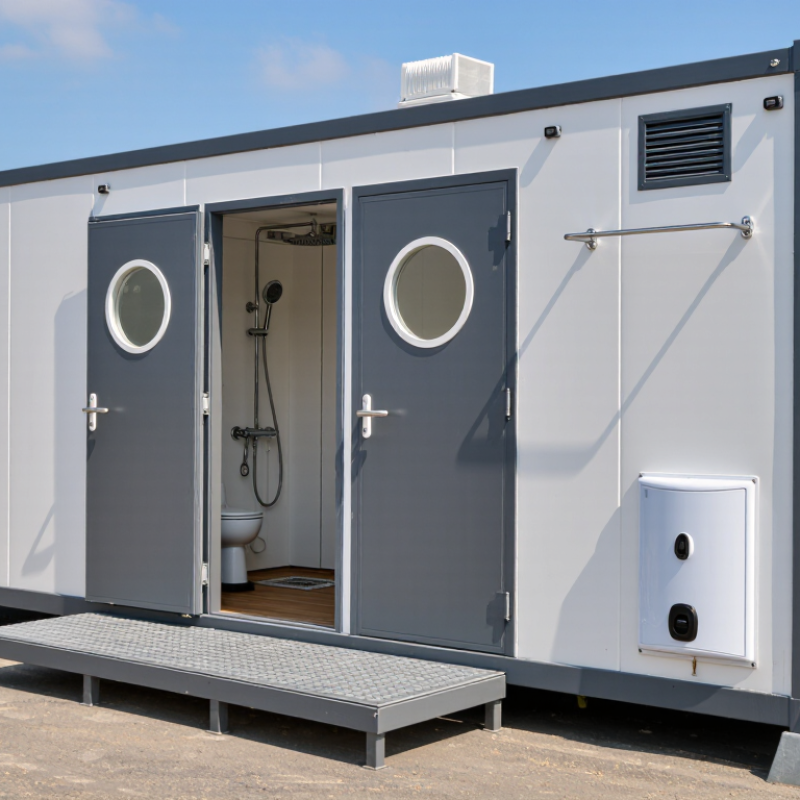
10 Tips for Choosing Toilet Shower Container Units

Understanding Toilet Shower Container Units and Their Main Types

Toilet shower container units place washing and sanitation facilities inside a transportable enclosure. Their main types differ by layout, capacity, and how easily they can be relocated. An all-in-one unit puts the toilet and shower in one shared room. It uses less floor space, but users may need to wait while someone showers.

A divided unit provides separate toilet and shower compartments, offering more privacy and smoother use during busy periods. It usually needs more room and careful plumbing. Modular units use connected sections, so facilities can be arranged for a small worksite or a larger temporary venue. Some are designed for frequent relocation; others are better suited to longer stays. The labels can be confusing, and specifications do not always show how comfortable a unit feels in daily use.

Look closely at the practical details.

Check where the shower water drains, whether the floor slopes toward the drain, and how fresh air enters the room. A damp, poorly ventilated enclosure can feel unpleasant quickly. Confirm that water supply, waste connections, and cleaning access match the site. A quick tape-measure check matters, too: doors, steps, and interior turning space can affect who can use the unit comfortably. Small details, big difference.

Assessing Bathroom Space, Layout, and User Needs

A toilet-shower container unit can fit neatly on a plan and still feel awkward in daily use. Measure the room’s clear width and depth, then mark the door swing, toilet position, shower entry, and space for standing or turning. A sliding door may help in a narrow room, but check that its track does not obstruct access. Note where towels, toiletries, and mobility aids will sit. Small details matter. The AARP 2021 Home and Community Preferences Survey found that 77% of adults aged 50 and older want to remain in their homes as long as possible. That preference makes easy entry and reachable controls practical considerations, not decorative extras.

Match the unit to its users: a household with children may need hooks and storage within easy reach, while older users may value a low-threshold shower and slip-resistant flooring. The U.S. Access Board’s accessibility guidance describes a 30-by-48-inch clear floor space for many wheelchair approaches; treat it as a useful planning reference, not a substitute for project-specific requirements. Check ventilation, plumbing connections, and maintenance access before choosing a compact layout. A smaller footprint can save room, but it may leave little space to dry off. Measure again in the actual bathroom. Paper dimensions can be optimistic.

10 Tips for Choosing Toilet Shower Container Units: Assessing Bathroom Space, Layout, and User Needs

Start by measuring the room, mapping door swings and plumbing, and checking who will use the space. These U.S. reference clearances are based on the International Residential Code (IRC) and ADA Standards; applicable requirements depend on local codes and the project.

Planning note: The 15-inch toilet side clearance is measured from the toilet centerline to a side obstruction. The 21-inch front clearance and 30-inch shower dimension are IRC reference minimums. The 60-inch turning space is an ADA accessibility reference where applicable. Confirm requirements with your local building authority, and allow extra room when users need more space.

Comparing Materials, Durability, and Essential Features

A toilet-shower container unit faces constant moisture, temperature changes, and cleaning chemicals. Compare the full assembly, not just its visible panels. Fiberglass-reinforced panels resist moisture, while a coated steel frame can provide stiffness; inspect cut edges, corner joints, and fasteners, where corrosion or leaks may start. Stainless-steel fittings are useful in wet areas, but grade and workmanship matter.

Tip: Check the warranty and ask how seams are sealed. A neat finish helps, but it cannot prove long-term durability.

Water use is another practical comparison. The U.S. Environmental Protection Agency’s WaterSense specifications state that labeled showerheads use no more than 2.0 gallons per minute, at least 20 percent less than the standard 2.5-gallon rate. WaterSense-labeled toilets use 1.28 gallons per flush, at least 20 percent less than older 1.6-gallon models. These figures are useful benchmarks, though actual savings depend on use and installation.

Tip: Look for flow-rate and flush-volume details, not vague “water-saving” claims.

Essential features should make routine use easier. Check for a non-slip floor, accessible service panels, reliable ventilation, and a drain positioned to clear water without pooling. Open the door fully and test whether the toilet, shower controls, and storage remain reachable. Small details count.

I would also inspect a sample unit after cleaning; some finishes look tougher in a brochure than they feel in person.

No single material guarantees a durable unit. Construction quality matters.

Checking Plumbing, Installation, and Safety Requirements

Tip 1: Check the plumbing before choosing a unit. Confirm that the site has a suitable water supply, drain connection, and enough pressure for the shower. Measure pipe locations carefully. A small mismatch can mean costly changes later.

Tip 2: Plan installation around the actual floor and access route. Check the unit’s dimensions, doorway width, ceiling height, and floor load capacity. The base should sit level and remain stable. Ask a qualified installer to assess drainage and waterproofing, especially near wall joints. Keep electrical fittings away from wet areas, and use suitable protection for the installation. Details matter.

Tip 3: Think through daily safety. Choose a layout with clear entry space, secure handles, and a slip-resistant floor. Confirm that ventilation can remove steam, and make sure the door opens without blocking an escape path. Follow the unit’s instructions and local building requirements. I would not assume an existing bathroom connection is adequate; it may look fine but still drain slowly. Check it under realistic use before the unit is put into regular service.

Balancing Cost, Cleaning Needs, and Long-Term Maintenance

Choosing a toilet-shower unit is a whole-life cost decision, not just a price-tag comparison. The U.S. Environmental Protection Agency reports that toilets account for nearly 30% of average indoor household water use. Its WaterSense program sets a benchmark of 1.28 gallons per flush or less, at least 20% below the federal 1.6-gallon standard. Check the unit’s flush rating and replacement-part availability before buying. A cheaper model may cost more if its flush mechanism is difficult to source.

Cleaning matters every week. Look for smooth, accessible surfaces and enough clearance around the toilet, shower fittings, and drain. A tight corner can trap hair and soap residue; a removable screen or reachable drain cover makes routine cleaning easier. Ask whether panels open without special tools. Small detail, big difference. I would not choose a glossy finish on looks alone: it can show water spots, and cleaning instructions vary by material.

For long-term maintenance, check seals, hinges, valves, and access panels, not just the visible enclosure. Request written care instructions and confirm which parts are replaceable. The EPA’s water-efficiency figures help compare flushing performance, but they do not predict repair costs or cleaning time. That gap matters. Budget for periodic seal checks and gentle, material-appropriate cleaners; harsh products may damage finishes. Leave enough room for servicing, even if it means giving up a little storage. A compact layout looks efficient on paper, but awkward access can become a daily irritation.

FAQS

What are the main types of toilet-shower container units?

An all-in-one unit shares one room for washing and sanitation. It saves floor space, but users may need to wait. Divided units offer separate compartments. Modular units connect sections for different site sizes.

What should I measure before choosing a unit?

Measure the room’s clear width and depth. Mark the door swing, toilet, shower entry, and space for standing or turning. Check where towels and mobility aids will go. Paper dimensions can be optimistic.

Is a sliding door useful in a small bathroom?

It can save space in a narrow room. Check that the track does not block access or catch on nearby fixtures. I would measure twice; door details are easy to miss.

How can I make the unit more comfortable for different users?

Consider reachable controls, a low shower threshold, and slip-resistant flooring. A clear floor space of 30 by 48 inches can help with some wheelchair approaches. Treat it as a planning reference, not a complete solution.

What drainage and ventilation details should I check?

Make sure the floor slopes toward the drain and shower water can escape easily. Check how fresh air enters. Poor ventilation can leave the enclosure damp and unpleasant.

Which features make cleaning easier?

Look for smooth surfaces, reachable drain covers, and room around fittings. Hair and soap can collect in tight corners. Removable screens help. Small details matter.

How should I compare water use and purchase costs?

Check the toilet’s flush rating and whether replacement parts are available. A benchmark of 1.28 gallons per flush or less can help compare water use. It does not predict repair costs.

What maintenance should I plan for over time?

Check seals, hinges, valves, and access panels. Request written care instructions and confirm parts can be replaced. Leave room for servicing, even if storage gets smaller. A neat layout can still be awkward.

Conclusion

Choosing Toilet Shower Container Units requires more than comparing appearance. Start by understanding the available unit types and considering how each might suit your bathroom’s layout, available space, and the needs of everyone who will use it. A well-chosen design should fit comfortably without making the room difficult to move around in or use.

Next, compare materials for durability and look for practical features that support everyday comfort. Check that the plumbing connections, installation requirements, and safety considerations are appropriate for your bathroom. Finally, weigh the purchase and installation costs against cleaning needs and long-term maintenance. Considering these factors together can help you select a unit that is practical, easy to care for, and suited to your space over time.

Amelia

Amelia

Amelia is a dedicated marketing professional with a deep understanding of the company’s products, customers, and evolving market needs. Through years of experience in product communication, content strategy, and customer research, she transforms complex product information into clear, practical,......