0%

Choosing among the 10 Best Modular Dining Hall Suppliers for Global Buyers requires more than comparing catalog prices. Modular Dining Halls must support safe meals, efficient movement, reliable sanitation, and local operating conditions. A successful project should withstand heavy daily use, changing weather, and demanding delivery schedules. It should also fit the site without creating unnecessary construction waste.

Ryan E. Smith, a recognized authority in off-site construction, has said, “The future of building is off-site.” His observation is especially relevant to dining facilities, where factory production can improve consistency and shorten installation time. However, modular delivery is not automatically efficient. Poor planning can create expensive transport challenges, unsuitable kitchen layouts, or delayed utility connections.

This guide examines ten suppliers through practical buyer criteria. These include design flexibility, structural quality, food-service integration, fire safety documentation, insulation performance, installation support, and after-sales service. Supplier experience in international projects also matters. Buyers should request project references, factory evidence, warranty terms, and clearly defined compliance documents before signing agreements.

Details matter.

A stainless-steel preparation surface, washable wall panel, or correctly positioned service door can influence daily productivity. Yet no supplier fits every market. Local codes, climate, labor availability, and import procedures may change the final decision. This comparison is therefore a useful starting point, not a perfect verdict. Some suppliers may appear strong on paper but perform differently under real site pressure. Careful verification remains essential for dependable, compliant, and cost-effective Modular Dining Halls.
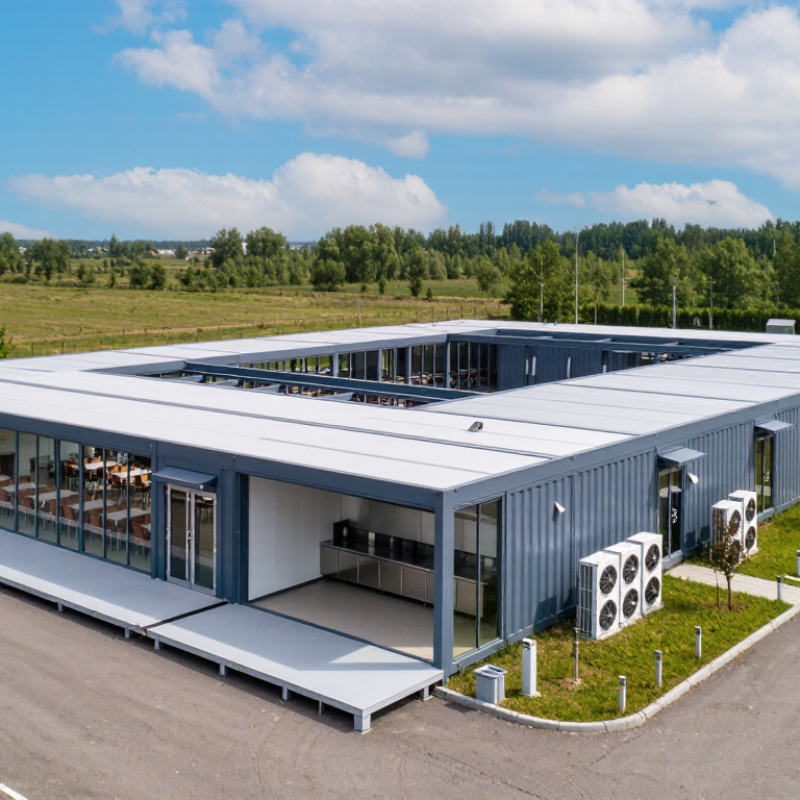
10 Best Modular Dining Hall Suppliers for Global Buyers

What Modular Dining Halls Are and Why Global Buyers Choose Them

A modular dining hall is a prefabricated food-service building assembled from factory-made sections. These sections may include walls, roofing, flooring, ventilation, lighting, and serving counters. Modules arrive ready for controlled installation. On site, crews connect them with fewer wet trades and less construction waste. The result is a practical dining space for schools, hospitals, factories, camps, and remote workplaces.

Global buyers choose modular dining halls for speed, predictable costs, and flexible expansion. Factory production supports consistent quality checks before delivery. It also helps project teams plan around limited local labor or difficult weather. A 300-seat hall can include separate cooking, washing, storage, and dining zones. Buyers can select insulated panels for cold regions, shaded entrances for hot climates, and corrosion-resistant finishes near the coast. Accessibility, fire protection, food hygiene, drainage, and electrical capacity still require careful local review. A modular solution is not automatically compliant everywhere.

Experienced suppliers usually provide drawings, material data, installation guidance, and maintenance schedules. These documents help buyers compare offers beyond the purchase price. Transport routes matter too. A large module may be affordable at the factory but expensive to move through narrow roads or busy ports. Design teams should check foundations, utilities, ventilation performance, and cleaning access before ordering. No layout is perfect. A compact kitchen may save space but slow staff movement during busy meals. Small trial adjustments can prevent expensive changes later.

Key Criteria for Evaluating Modular Dining Hall Suppliers

When evaluating modular dining hall suppliers, start with evidence, not attractive renderings. Ask for completed projects in climates similar to yours. A reliable supplier shares drawings, material specifications, test reports, and installation records. Check whether the proposed design supports local fire safety, accessibility, sanitation, and structural requirements. Shortcuts show later.

Technical performance should match daily operations. Review thermal insulation, roof drainage, acoustic control, ventilation, and electrical capacity. A dining hall needs washable surfaces, durable flooring, safe food-service zones, and clear separation between deliveries and guests. Ask how modules tolerate transport, lifting, moisture, and temperature changes. One overlooked joint can cause leaks.

Supplier experience matters beyond factory size. Speak with recent clients about delivery accuracy, installation quality, defect handling, and after-sales response. Confirm warranty coverage in writing, including labor, replacement parts, and response times. Evaluate production capacity against your required opening date. A factory visit can reveal organization, quality checks, and unfinished work hidden in photographs. Do not ignore communication. I have seen schedules slip because drawings were approved informally and responsibilities remained unclear. That uncomfortable evidence deserves attention. Compare complete lifecycle costs, not only the initial quotation, because maintenance, energy use, transport, and future expansion can change the real value.

Profiles of the 10 Best Modular Dining Hall Suppliers

Profiles of the 10 Best Modular Dining Hall Suppliers

The ten strongest supplier profiles reflect different project needs, not identical products. The first specializes in galvanized steel frames for humid coastal sites. The second offers insulated sandwich panels and rapid enclosure. The third focuses on high-capacity kitchens with separate food-flow zones. The fourth provides lightweight aluminum structures for remote campuses. The fifth combines dining rooms with prefabricated sanitation blocks. The sixth supports cold-climate projects with enhanced thermal bridges. The seventh develops fire-rated halls for dense urban sites. The eighth offers flat-pack systems for lower transport costs. The ninth builds accessible facilities with wider circulation routes. The tenth supplies complete design, fabrication, and installation services.

Evidence matters more than attractive renderings. MarketsandMarkets estimates the modular construction market could grow from about 91.3 billion dollars in 2023 to 118.3 billion dollars by 2028. That expansion increases supplier choice, but also increases comparison risks. Buyers should verify factory audits, structural calculations, fire documentation, and completed dining references. A practical profile should also show kitchen ventilation capacity, washable wall finishes, drainage slopes, and replacement-part availability. Small details matter.

Site experience separates credible suppliers from capable-looking ones. Ask for delivery records, weather limitations, and installation tolerances. Request a sample wall section, not only a brochure. No supplier is perfect. Some offer excellent speed but limited customization. Others provide stronger engineering but longer production schedules. The best selection depends on climate, meal volume, local codes, and maintenance staff. Procurement teams should score these factors with documented evidence, then revisit the ranking after technical clarification.

10 Best Modular Dining Hall Suppliers for Global Buyers

Supplier comparison is commonly based on the practical factors that most influence international modular dining hall procurement: project customization, production capacity, delivery reliability, compliance, installation support, and lifecycle value.

The chart presents a normalized procurement benchmark on a 10-point scale. Higher scores indicate stronger importance or performance potential for global buyers when evaluating modular dining hall suppliers.

Comparing Supplier Expertise, Quality, Pricing, and Delivery

When comparing ten modular dining hall suppliers, buyer confidence starts with proven expertise. Look for completed projects with similar seating capacity, climate, and operating hours. Experienced teams should provide structural drawings, ventilation plans, and realistic installation schedules. Ask who manages site coordination. A polished proposal is not enough.

Quality appears in the details. Inspect panel thickness, insulation performance, flooring joints, kitchen interfaces, and fire-resistant materials. Request test certificates, factory inspection photos, and a sample finish before production. A useful supplier explains maintenance access and replacement procedures. Small gaps become expensive problems.

Pricing needs a wider view. Compare the landed cost, not only the factory quotation. Check transport, foundations, electrical work, taxes, installation, and spare parts. One low quote may exclude essential services. I once trusted an attractive estimate and missed drainage work. That mistake changed my evaluation checklist. Delivery claims also require evidence. Review production capacity, packaging methods, customs experience, and delay procedures. Ask for milestone dates and weekly updates. Faster is not always safer. A rushed shipment can arrive with damaged panels or missing fittings. Reliable suppliers disclose limitations early and adjust plans when site conditions change.

10 Best Modular Dining Hall Suppliers for Global Buyers - Comparing Supplier Expertise, Quality, Pricing, and Delivery

Capability-based comparison of common supplier types, not a verified ranking of named companies. Prices and lead times depend on project scope, location, specifications, and shipping; obtain comparable written quotations before selecting a supplier.

Supplier Type Typical Expertise Quality Checks to Request Pricing Considerations Delivery Considerations Best Fit
Turnkey modular building integrator Coordinates design, structure, building services, interior fit-out, and installation through one contract. Request project references, inspection plans, material schedules, and a clear division of design and construction responsibilities. Compare inclusions carefully: foundations, kitchen equipment, utility connections, and local approvals may be excluded. Confirm factory slot, site works, shipment plan, installation crew, and the party responsible for schedule coordination. Buyers seeking a single point of coordination.
Steel-frame modular building manufacturer Produces structural frames and building modules; may supply envelope components and standard layouts. Check structural calculations against local design loads, corrosion protection specifications, weld inspection records, and applicable local codes. Price is affected by spans, design loads, insulation, finishes, and whether engineering or installation is included. Module dimensions, transport permits, port handling, and access to the site can affect shipment and installation plans. Projects prioritizing structural flexibility and factory-built modules.
Pre-engineered building supplier Supplies engineered building systems, often assembled from components at the project site rather than delivered as complete modules. Verify design criteria, connection details, coating specifications, component traceability, and compliance with the project jurisdiction. Separate the building kit from civil works, local labor, lifting equipment, and interior fit-out in the quotation. Delivery depends on component production, shipping, site readiness, and local erection capacity. Buyers with local contractors and a need for a long-span dining space.
Container-based building converter Converts shipping containers or container-sized units into rooms or small facilities. Inspect structural modifications, insulation, ventilation, condensation control, fire-safety provisions, and the condition of reused units. Clarify whether the quote covers new or used containers, cutting and reinforcement, interior finishes, and utility systems. Standard container dimensions can simplify some transport arrangements, but route, handling, and site access still require confirmation. Compact, phased, or temporary dining facilities where the layout suits container modules.
Timber modular building specialist Designs and manufactures timber-frame or engineered-wood modules and building components. Request structural design documentation, moisture-management details, fire-safety strategy, material specifications, and local-code review. Compare the specified timber system, fire and acoustic assemblies, façade, and finishing scope rather than headline prices alone. Protective packaging, moisture exposure during transit, module size, and site installation sequencing matter. Projects where timber construction is permitted and aligns with the design and environmental brief.
Panelized building system supplier Supplies prefabricated wall, roof, and floor panels for assembly on site. Review panel specifications, joints, weatherproofing details, fire performance documentation, and installation tolerances. Ask for separate pricing for panels, connections, engineering, installation guidance, and finishing layers. Flat-pack shipping may reduce transport volume, while site assembly requires suitable labor, equipment, and weather planning. Buyers with local construction teams and suitable site assembly capability.
Prefabricated kitchen and dining fit-out supplier Provides commercial kitchen layouts, food-service equipment, serving lines, and dining-area fixtures. Confirm equipment specifications, electrical and plumbing requirements, ventilation design, cleaning provisions, and local food-safety requirements. Equipment selection, utility connections, extraction systems, commissioning, and after-sales support drive scope and cost. Coordinate equipment delivery and installation with building completion and utility connection schedules. Projects that already have a building supplier but need a specialist food-service package.
Portable and temporary facility supplier Supplies relocatable units or temporary facilities for short-term, remote, or changing site requirements. Check occupancy suitability, structural stability, insulation, ventilation, fire provisions, and requirements for temporary occupancy permits. Compare purchase, rental, delivery, setup, maintenance, and removal costs over the full period of use. Confirm availability, transport method, setup requirements, relocation terms, and return or collection arrangements. Temporary operations, construction sites, and locations where future relocation is likely.
Cold-climate modular building specialist Designs modular facilities for projects with demanding thermal, snow, or winter-operating conditions. Verify project-specific thermal calculations, air and water control layers, snow-load design, heating strategy, and condensation management. Higher-performance envelope requirements and heating systems should be specified and priced explicitly against local climate conditions. Seasonal road access, weather windows, winter installation, and commissioning conditions may affect the project schedule. Sites with cold winters or project-specific high snow and thermal requirements.
Regional modular contractor and installer Provides local design coordination, permitting support, foundations, installation, or integration of imported modules. Check relevant local project references, contractor qualifications, insurance, inspection records, and responsibility for code compliance. Local labor, site preparation, permits, equipment hire, and import-related services should be itemized separately. Local knowledge can help coordinate permits and installation; confirm subcontractor availability and interfaces with the factory supplier. International buyers who need local execution and coordination in the project country.

Buyer comparison tip: Request quotations using the same occupancy, floor area, kitchen scope, design loads, insulation targets, code requirements, delivery terms, and installation boundary. Ask suppliers to state exclusions, warranty terms, payment milestones, and the basis of their delivery schedule.

How Global Buyers Can Select and Work With the Right Supplier

10 Best Modular Dining Hall Suppliers for Global Buyers

How Global Buyers Can Select and Work With the Right Supplier

Start with the meal service, not the catalog. Define seating capacity, kitchen flow, peak-hour demand, climate, and future expansion. McKinsey’s 2019 modular construction report indicates that modular methods can reduce schedules by 20–50% when design and manufacturing are coordinated. Ask suppliers to show factory quality controls, installation records, and comparable projects. A polished rendering proves little. Request drawings, material specifications, fire ratings, drainage details, and maintenance access before signing.

Local compliance deserves equal attention. Confirm structural calculations, electrical systems, ventilation, hygiene surfaces, accessibility, and emergency exits with qualified professionals in the destination market. The 2023 UNEP Global Status Report states that buildings and construction produced 37% of global energy-related and process CO2 emissions in 2022. Therefore, compare insulation, efficient equipment, daylighting, water use, and waste plans, not only the purchase price. Require measurable performance data. “Eco-friendly” is too vague.

Treat the supplier as a long-term project partner. Use milestone payments tied to approved drawings, factory inspection, delivery, installation, and commissioning. Include spare-parts availability, response times, training, warranty limits, and responsibility for transport damage. Factory acceptance testing can expose door misalignment, poor seals, or insufficient ventilation early. Site acceptance testing catches different problems. Keep a risk register. I have seen buyers overlook local service capacity because the initial quotation looked attractive. That mistake is expensive. A staged pilot may cost more initially, but it reveals whether communication, documentation, and after-sales support actually work.

FAQS

What should buyers define before contacting modular dining hall suppliers?

Define seating capacity, peak meal volume, kitchen flow, climate, and future expansion. Start with operations, not attractive catalog images.

How can buyers verify a supplier’s experience?

Request completed projects with similar capacity, climate, and operating hours. Review structural drawings, ventilation plans, delivery records, and installation tolerances.

Which quality details deserve close inspection?

Check panel thickness, insulation, flooring joints, washable walls, drainage slopes, and kitchen connections. Small gaps become expensive problems.

How should modular dining hall prices be compared?

Compare the complete landed cost. Include transport, foundations, electrical work, installation, taxes, spare parts, and possible site changes.

What evidence should support a supplier’s delivery promise?

Ask for production capacity, packaging methods, milestone dates, delay procedures, and weekly updates. Faster is not always safer.

How can buyers confirm local compliance?

Qualified local professionals should review structure, electrical systems, ventilation, hygiene surfaces, accessibility, and emergency exits. Requirements vary by location.

What should buyers inspect during factory and site acceptance testing?

Check door alignment, panel seals, ventilation performance, drainage, fittings, and equipment connections. Factory testing catches problems early; site testing finds different ones.

Which contract terms can protect long-term operations?

Tie payments to approved drawings, inspection, delivery, installation, and commissioning. Include training, warranty limits, response times, spare parts, and transport-damage responsibility.

Is the lowest quotation usually the best choice?

Not necessarily. I once trusted a low estimate and missed drainage work. That mistake changed my checklist. A staged pilot may reveal hidden service problems.

Conclusion

Modular Dining Halls are prefabricated food-service facilities designed to provide efficient, flexible, and scalable spaces for schools, workplaces, construction sites, healthcare projects, military facilities, and community developments. Global buyers often choose them because they can be manufactured off-site, installed quickly, adapted to different climates and layouts, and expanded as demand changes. This article explains the main advantages of modular dining solutions and the practical factors buyers should consider before placing an order.

It also presents a structured approach to evaluating the 10 best Modular Dining Hall suppliers, focusing on industry experience, design capability, material quality, safety standards, customization options, pricing transparency, production capacity, logistics, installation support, and after-sales service. By comparing supplier expertise, quality control, delivery performance, and total project value, buyers can identify the partner that best fits their budget, schedule, location, and operational needs. Clear specifications, verified references, detailed contracts, and effective communication are essential for achieving a successful project outcome.

Ethan Carter

Ethan Carter

Ethan Carter is a seasoned marketing professional and a trusted voice behind the company’s educational blog. With a strong understanding of market research, customer needs, digital strategy, and product development, he transforms complex industry knowledge into clear, practical, and engaging......